








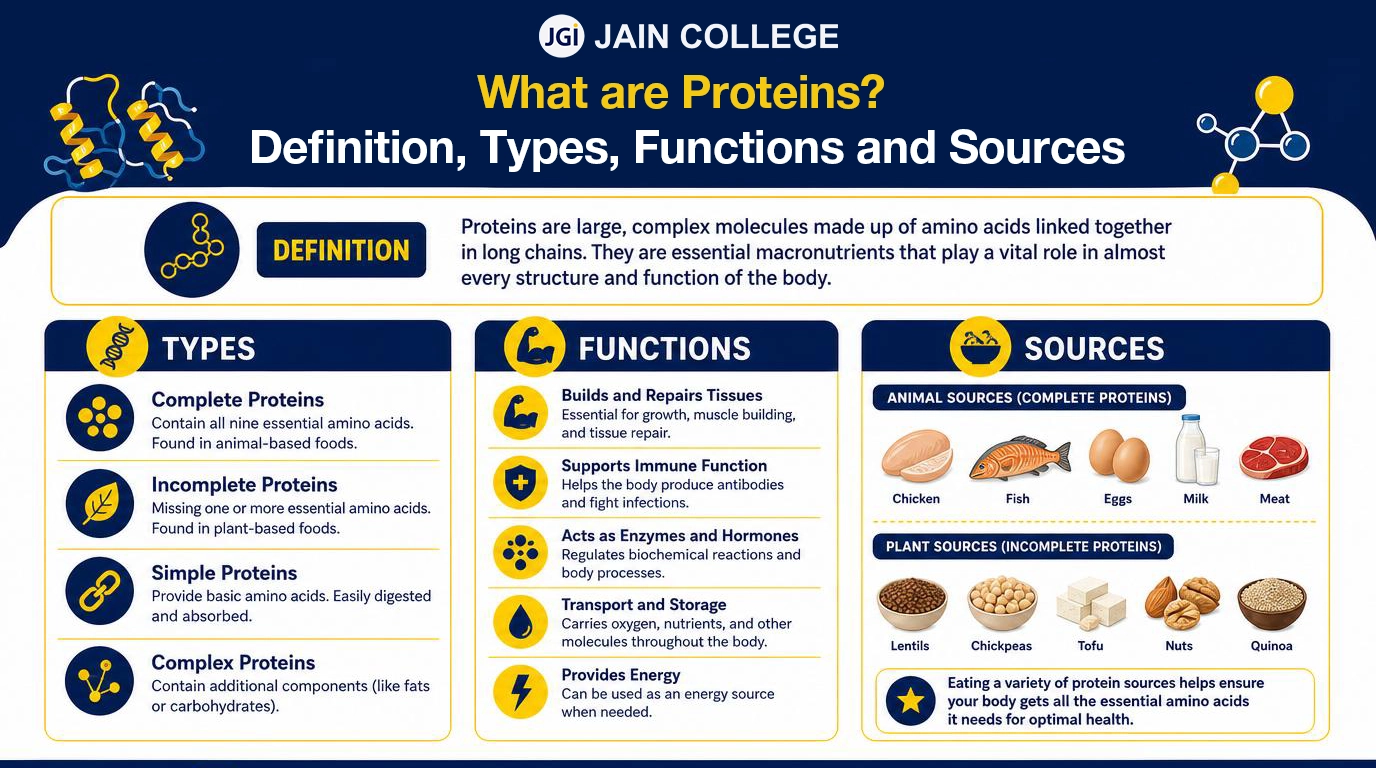
Proteins are biological macromolecules made up of amino acids, contain nitrogen (~16% by weight) and are linked together in polypeptide chains. They perform essential structural and functional roles in living organisms and are important for growth, repair, metabolism, and maintenance of the body.
Based on their composition, proteins are classified into three main types.
| Types of Protein include:Fibrous or Globular proteinsComplete or Incomplete proteinsSimple, Conjugated or Derived proteins |
Proteins also possess different levels of structural organisation.
Defined by the sequence and folding of polypeptide chains, these polymers of amino acids have complex structures.
| Protein structure has four levels: Primary structureSecondary structureTertiary structureQuaternary structure (in some proteins) |
These structural levels are determined by the sequence, folding, and interactions of amino acid chains.
Proteins function as enzymes, antibodies, hormones, transport molecules, defence, movement, storage and structural components of tissues and organs. They are crucial for growth and repair and essential for normal biological activities. Protein deficiency and excess can both be harmful.
In this article, let us learn more in detail about the proteins, their structure, the main types of proteins and the key functions they perform in the body.
Table of Contents
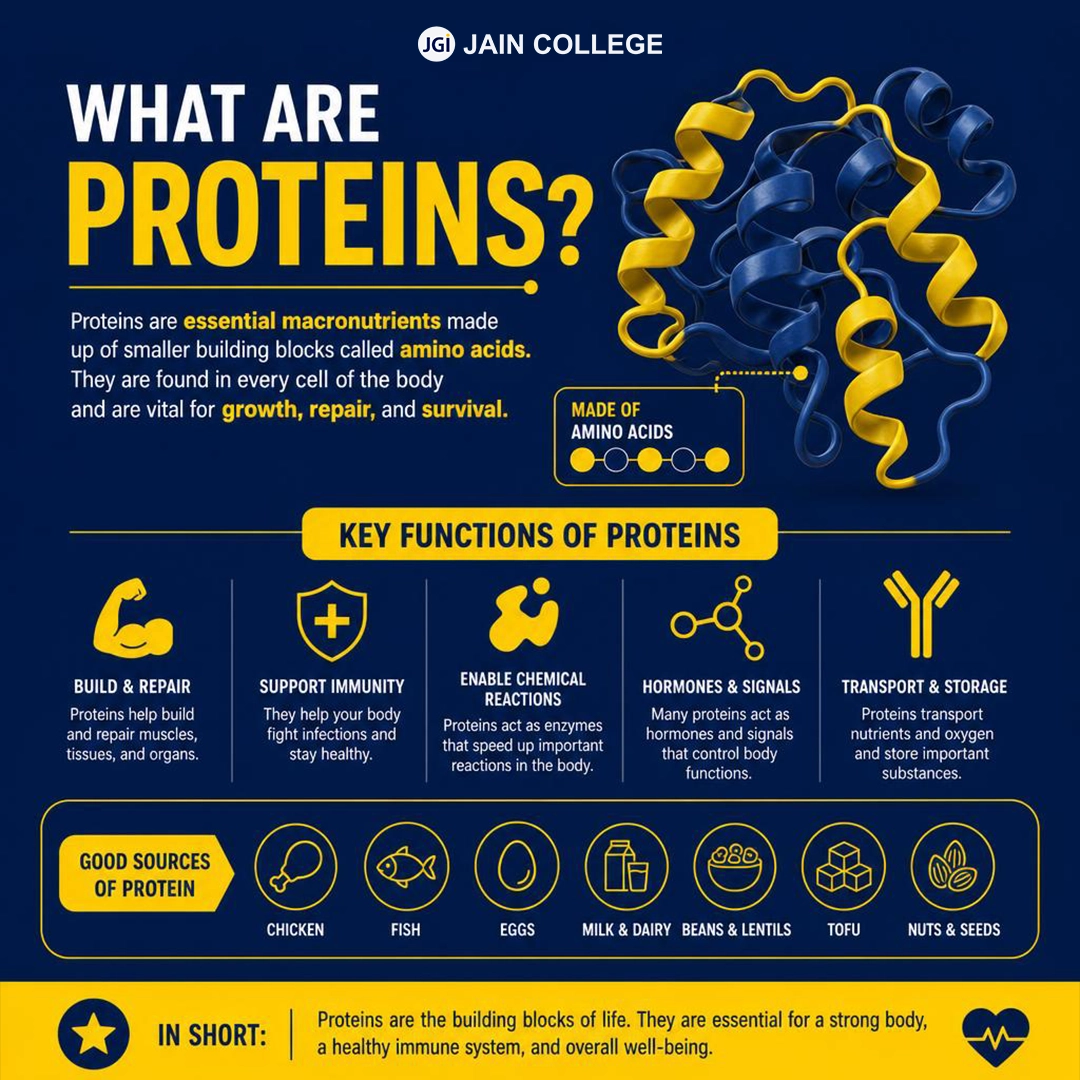
Proteins are essential macronutrients made of amino acids. They are the building blocks of life, forming the structural framework of cells, tissues, and organs. These macronutrients help our body build and repair tissues, produce enzymes and hormones, and support immunity. These macromolecules are present in every cell and are involved in growth, recovery, and everyday body functions.
Proteins are complex organic nitrogenous compounds of high molecular weight.
Proteins are essential biomolecules that help in:
Proteins are the most complex materials produced in nature. They consist of α-amino acids linked together by peptide linkages.
The name "Protein" is derived from the Greek word "Proteios", which refers to “of prime importance or the first kind”. This significance arises because proteins are important components of the cytoplasm and play various roles in cellular functions.
Proteins are the most abundant macromolecules in living cells and constitute 50% or more of their dry weight. The majority of receptors and enzymes are protein in nature; however, certain catalytic RNA molecules, called ribozymes, also function as enzymes.
Proteins are polymers of α-amino acids. They are synthesised from only 20 amino acids, known as the common amino acids.
Amino acids are formed mainly of carbon, hydrogen, oxygen and nitrogen.
Nitrogen is a characteristic component of proteins, forming about 16% of their weight (i.e., 100 g of protein contains 16 g of nitrogen)
Protein molecules contain 50–55% carbon, 6–7% hydrogen, 20–23% oxygen, 12–19% nitrogen, and 0.2–3.0% sulphur.
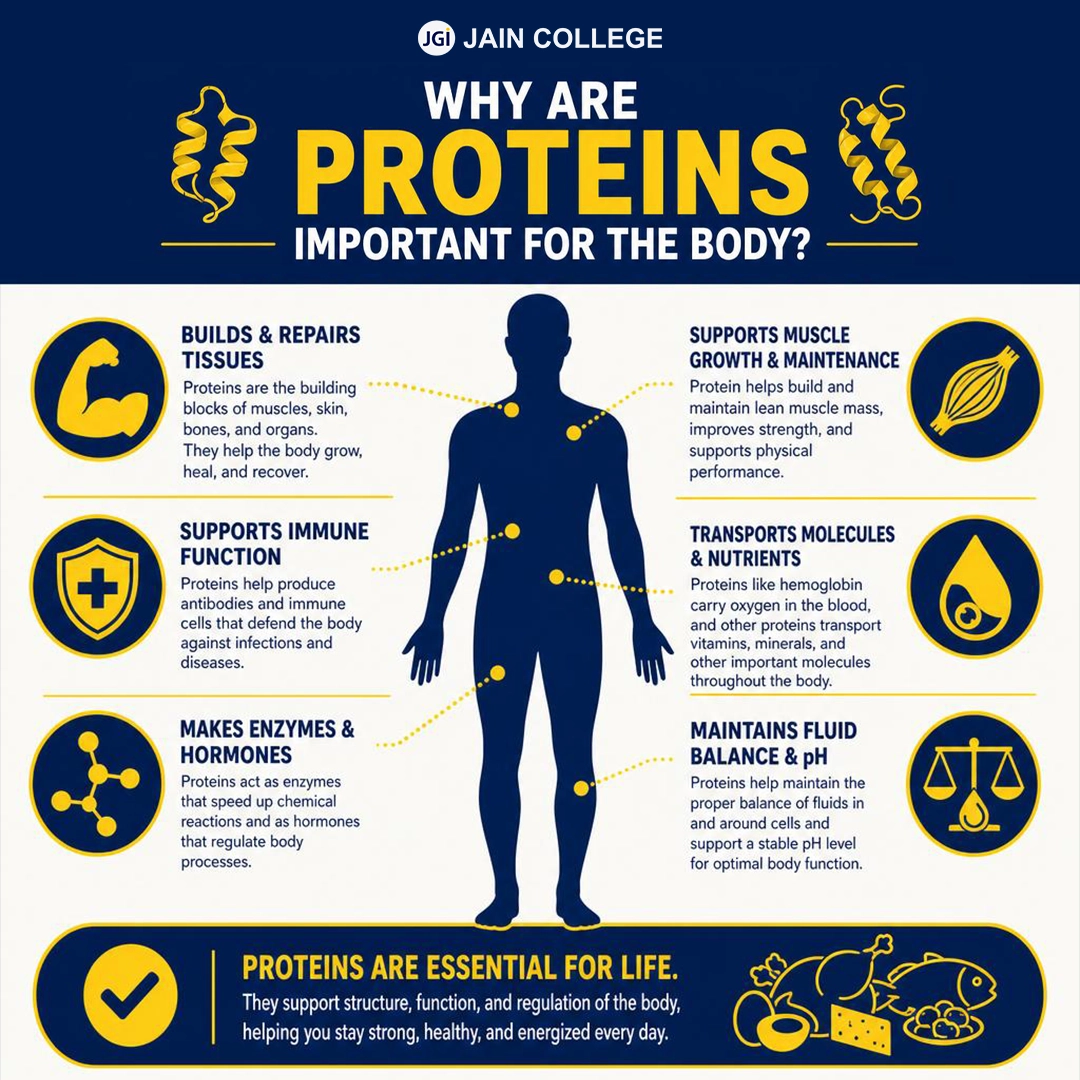
Proteins are the macronutrients that provide certain essential nutrients required for our bodies to grow; hence, they are also referred to as the 'building blocks of life'.
Proteins are the most important organic substances in a living cell. They have a high molecular weight, ranging up to several millions. Proteins perform various functions, such as enzymes, hormones, etc.
Many hormones are protein-based molecules. Some hormones, such as insulin and glucagon, are made up of amino acids and play important roles in regulating body functions. Nucleoproteins are conjugated proteins (proteins + nucleic acids) found in cell nuclei.
Blood proteins include the plasma proteins and haemoglobin. Many hormones are peptides and proteins. Protein is an essential nutrient required for growth, tissue repair, enzyme activity, and immune function.
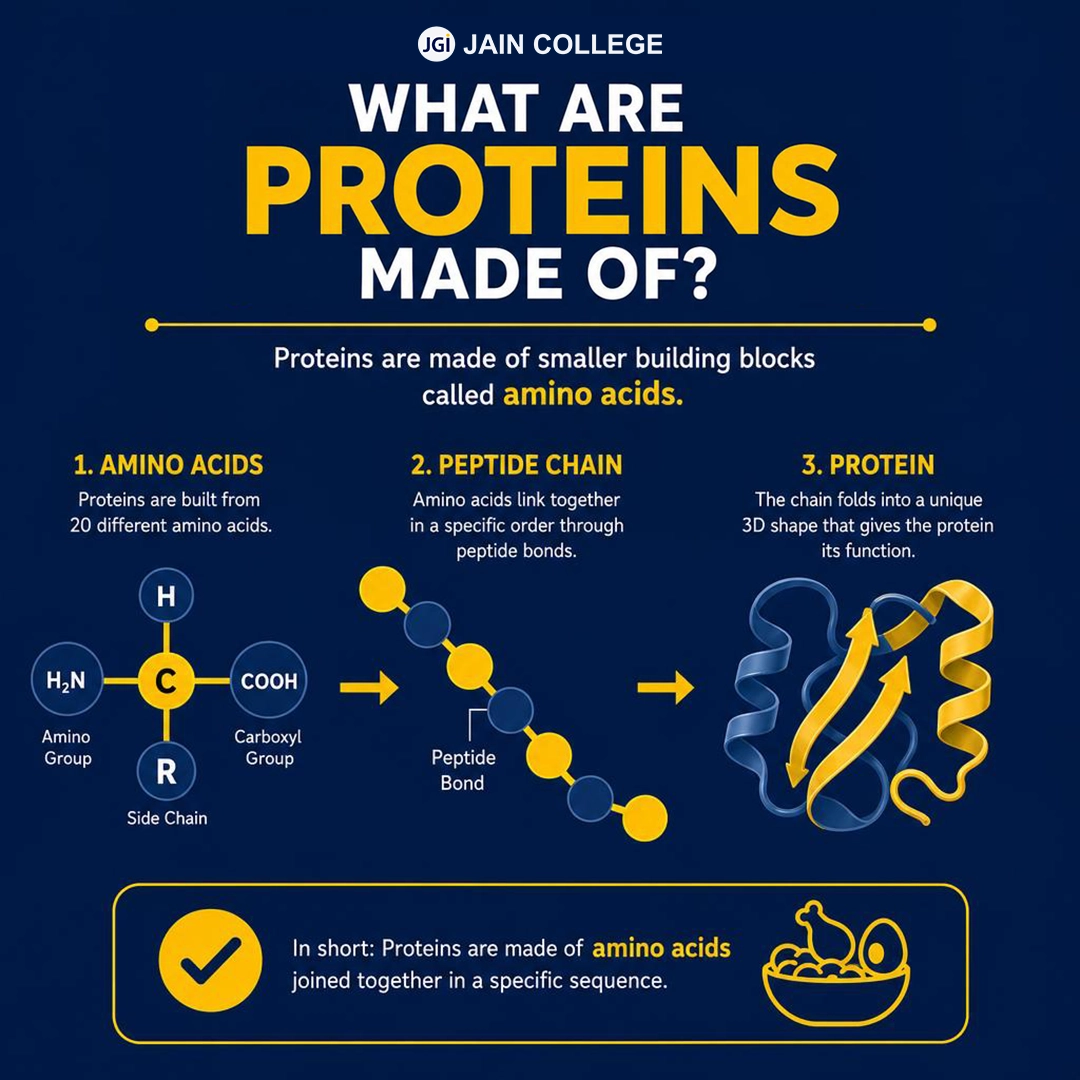
Proteins are made up of chains of amino acids. When we digest protein from foods or drinks, it is broken down into amino acids. The body then builds all the different proteins it needs from these amino acids.
Amino Acids are the building blocks of proteins. Each amino acid contains an amino group (–NH₂), a carboxyl group (–COOH), a hydrogen atom, and a variable side chain attached to a central carbon atom.
There are around 20 standard amino acids commonly occurring in proteins. These amino acids are linked together by peptide bonds to form polypeptide chains.
Peptides are the short chains of amino acids, and the longer and more complex polypeptide chains fold to form functional proteins.
Proteins can be classified according to their structural organisation. Here is a detailed explanation of the classification of proteins based on structure, function, nutritional value, and composition:
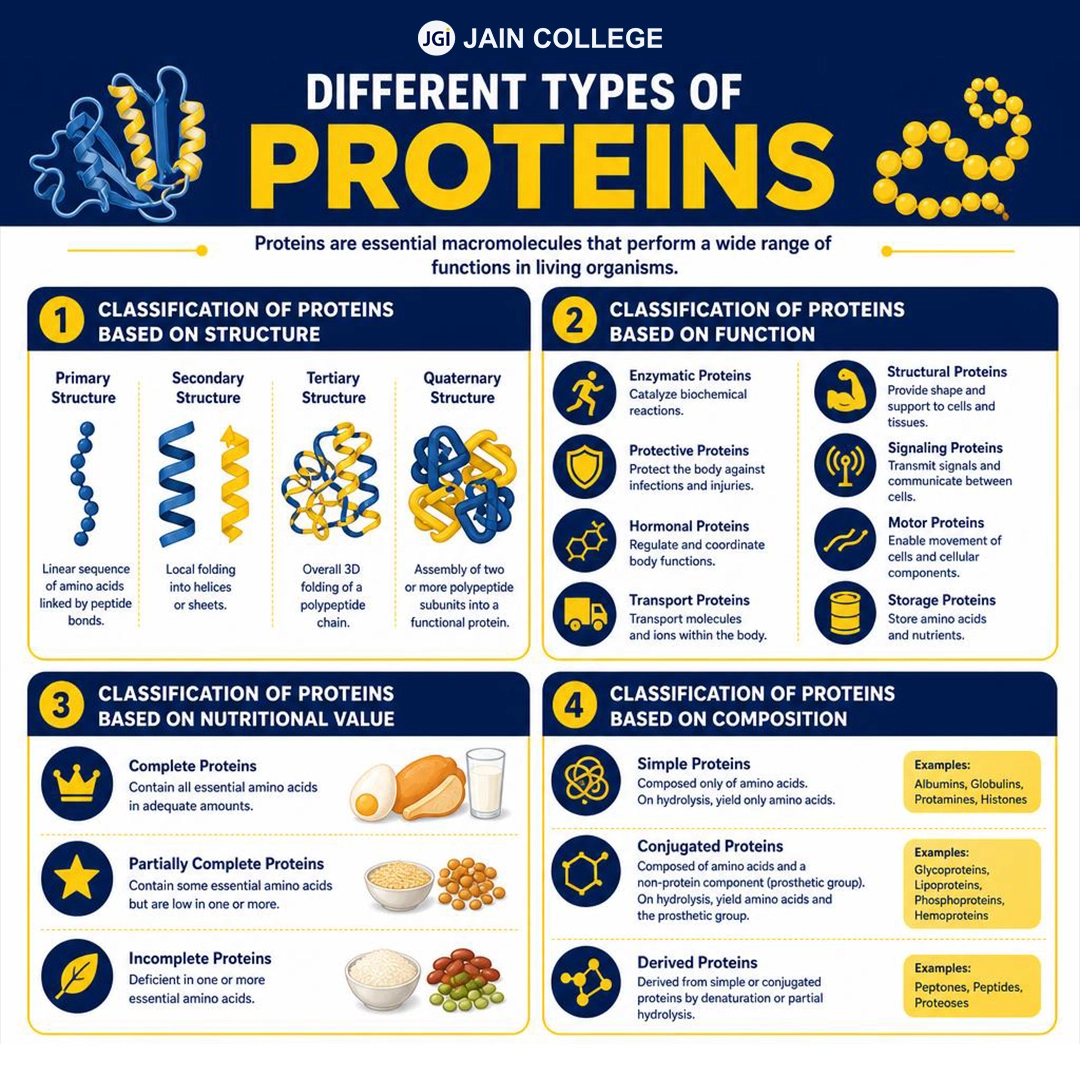
| Type | Description | Example |
| Classification of Proteins Based on Structure | ||
| Fibrous Proteins | These proteins have a long, thread-like structure and are mainly structural in function. They are generally insoluble in water. | Keratin (hair, nails)Elastin (skin elasticity)Collagen (connective tissues) |
| Globular Proteins | These proteins are compact and spherical in shape. They are usually soluble in water and involved in metabolic functions. | EnzymesAntibodiesHaemoglobin (oxygen transport) |
| Classification of Proteins Based on Function | ||
| Structural Proteins | Provide support and strength to cells and tissues. | Collagen in bones and cartilage |
| Enzymatic Proteins | Act as biological catalysts to speed up chemical reactions. | Amylase (helps digest starch) |
| Hormonal Proteins | Regulate physiological processes in the body. | Insulin (controls blood sugar levels) |
| Transport Proteins | Carry substances throughout the body. | Haemoglobin (transports oxygen in blood) |
| Defensive Proteins | Protect the body against infections. | Antibodies |
| Contractile Proteins | Help with the movement of muscles. | Actin and Myosin |
| Classification of Proteins Based on Nutritional Value | ||
| Complete Proteins | Contain all essential amino acids required by the body. | Eggs, milk, meat, fish, soy |
| Incomplete Proteins | Lack one or more essential amino acids. | Grains, pulses, nuts |
| Complementary Proteins | Combination of incomplete proteins that together provide all essential amino acids. | Rice and lentils |
| Classification of Proteins Based on Composition | ||
| Simple Proteins | Made only of amino acids. | Albumin, Globulin |
| Conjugated Proteins | Contain a non-protein component (prosthetic group). | Haemoglobin (with iron), Lipoproteins (with lipids) |
| Derived Proteins | Formed when proteins are partially broken down. | Peptides, Proteoses |
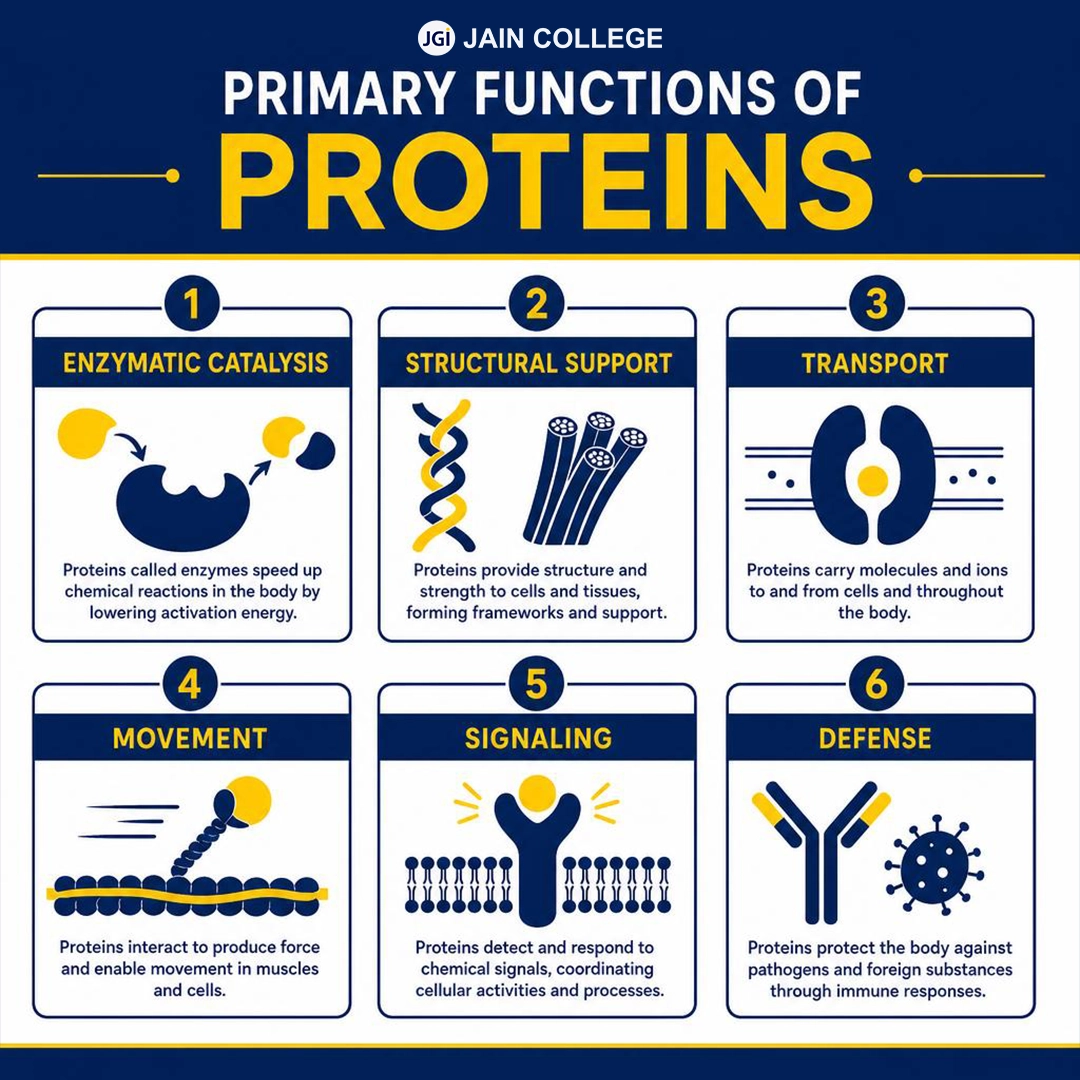
Proteins form the basis for the major structural components of animal and human tissue. They act as biological catalysts (enzymes), form structural parts of organisms, participate in different cellular reactions, act as molecules of immunity, and also provide fuel.
Here are the primary functions of proteins in living systems:
| Functions | Description | Examples |
| Structural Function | Provide support, shape, and strength to cells and tissues | Collagen, Keratin |
| Enzymatic Function | Act as catalysts to speed up biochemical reactions | Amylase, Pepsin |
| Transport Function | Carry molecules like oxygen, nutrients, and ions | Haemoglobin |
| Hormonal Function | Regulate body processes and communication between organs | Insulin, Growth Hormone |
| Defensive Function | Protect the body from infections and diseases | Antibodies |
| Contractile Function | Enable movement of muscles and cells | Actin, Myosin |
| Storage Function | Store essential nutrients and minerals | Ferritin (stores iron) |
| Regulatory Function | Control gene expression and cellular activities | Transcription factors |
| Energy Source | Provide energy when carbohydrates and fats are insufficient | Amino acids (in starvation cases) |
Proteins have four levels of structural organisation. Each level contributes to the protein’s shape and biological functions:
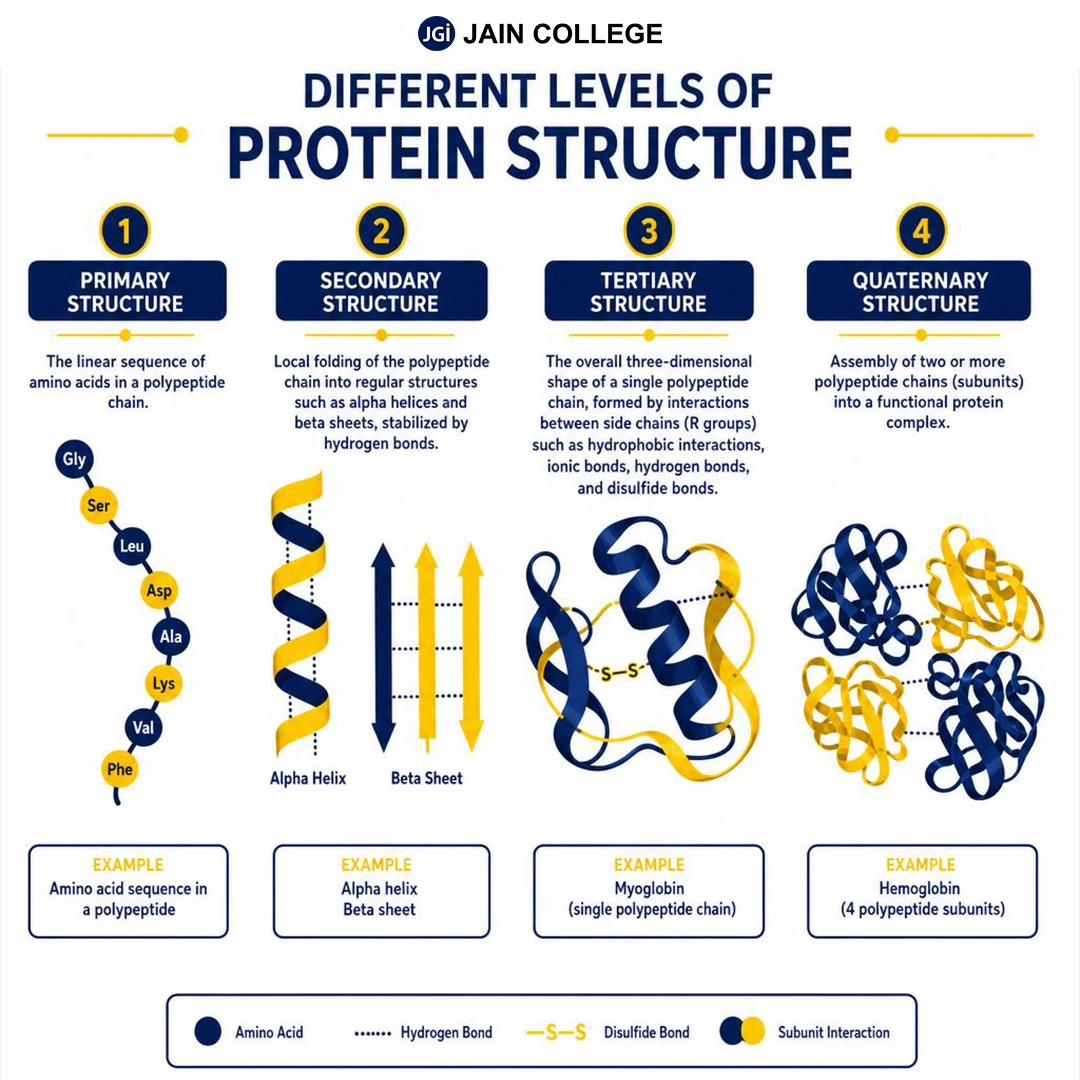
| Primary Structure The primary structure refers to the linear sequence of amino acids joined together by peptide bonds to form a polypeptide chain. One end of the chain contains a free amino group called the N-terminus.The other end contains a free carboxyl group called the C-terminus. The specific order of amino acids determines the protein’s properties and function. |
| Secondary Structure The secondary structure is formed when the polypeptide chain folds or coils due to hydrogen bonding between amino acids. The two main types of secondary structure are:α-HelixA right-handed coiled structureStabilised by hydrogen bonds within the same chainCommon in fibrous proteins such as keratin and myosinExamples:Keratin in hairMyosin in musclesβ-Pleated SheetA sheet-like arrangement of polypeptide strandsStabilised by hydrogen bonds between adjacent strandsStrands may be parallel or antiparallelExample: Silk fibroin |
| Tertiary StructureThe tertiary structure refers to the three-dimensional folding of a polypeptide chain into a compact globular form.This structure is stabilised by several types of interactions:Disulphide bonds between cysteine residuesHydrogen bondsIonic bonds between charged amino acidsHydrophobic interactions between non-polar side chainsThe tertiary structure is important for the protein’s biological activity. |
| Quaternary Structure The quaternary structure is formed when two or more polypeptide chains associate to form a functional protein complex. Proteins with identical subunits are called homogeneous proteins.Proteins with different subunits are called heterogeneous proteins. Example:Haemoglobin consists of two alpha chains and two beta chains. This level of structure helps proteins perform complex biological functions effectively. |
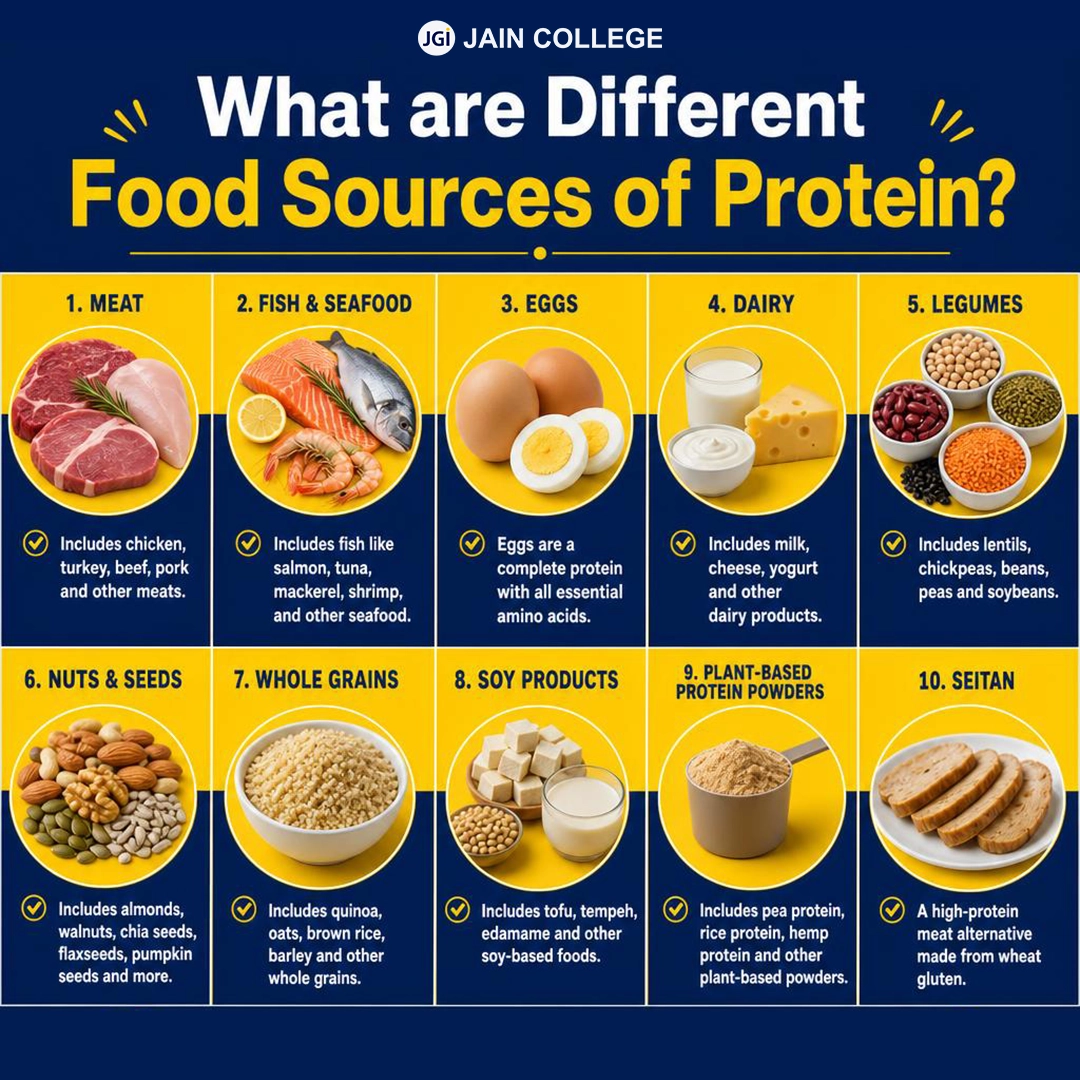
Proteins can be obtained from various sources and are commonly found in both animal and plant food products.
Some food sources of dietary protein include:
Some food sources of dietary protein include:
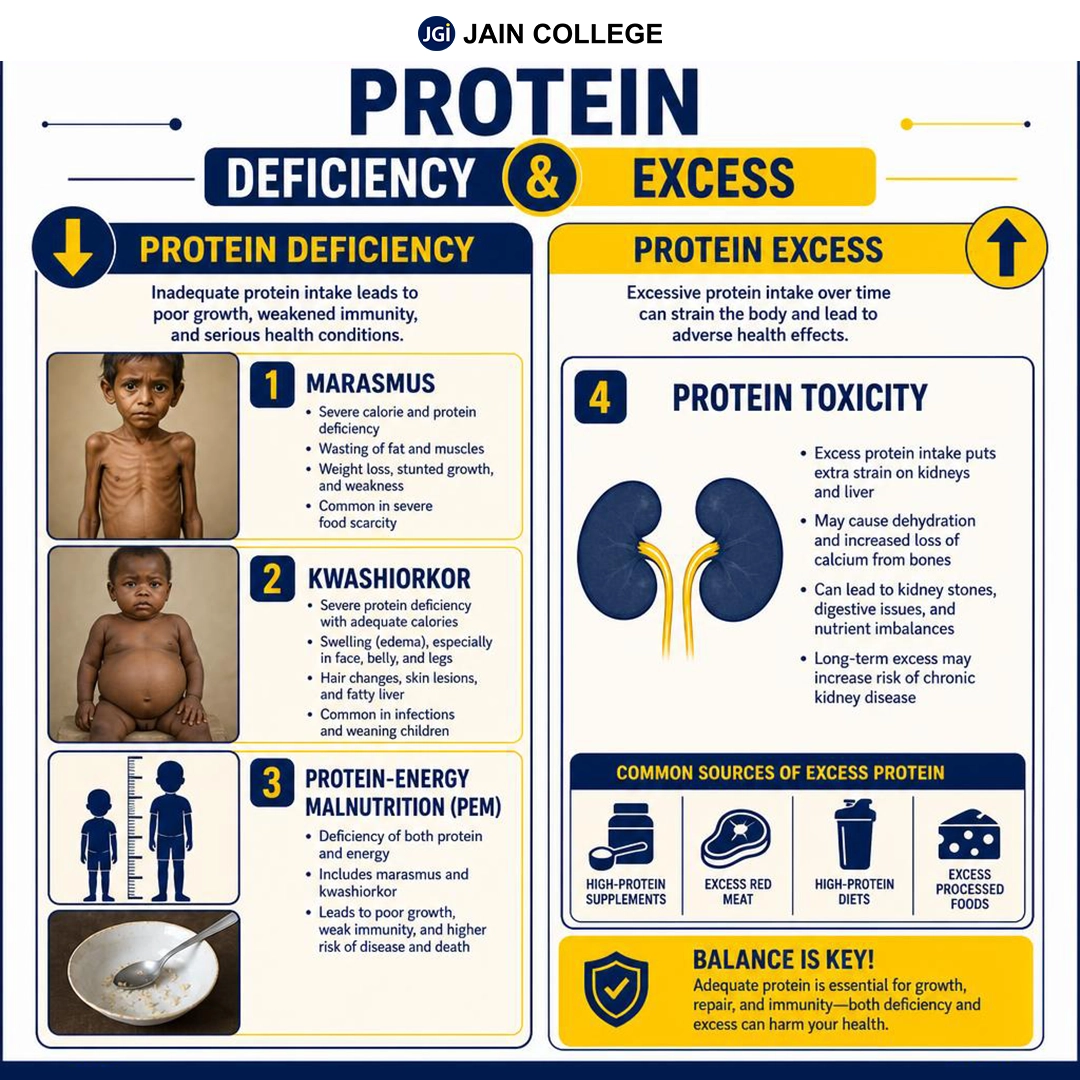
Both too much protein intake and a lesser quantity of protein can be dangerous, as they can result in deficiency and disorders caused by excessive secretion.
According to a 2017 survey conducted by the Observer Research Foundation (ORF)
According to the major survey conducted by the Indian Council of Medical Research (ICMR)
PEM:
The term 'protein-energy malnutrition' (PEM) is one of the most common forms of malnutrition, particularly among children with inadequate protein and calorie intake.
Marasmus:
Kwashiorkor:
Protein toxicity refers to health complications that may arise when excessive protein intake places stress on the body’s metabolic and excretory systems, particularly in individuals with impaired kidney or liver function.
Excessive protein intake can increase the production of nitrogen-containing waste products formed during protein metabolism. In healthy individuals, the kidneys usually remove these wastes efficiently. However, people with impaired kidney function may have difficulty eliminating them effectively, which can place additional stress on the kidneys.
In severe cases associated with kidney dysfunction, symptoms may include nausea, vomiting, loss of appetite, fatigue, and an ammonia-like odour on the breath. These symptoms require medical attention and should not be considered a result of high protein intake alone.
Possible symptoms associated with severe kidney dysfunction may include:
A balanced protein intake is important for maintaining overall health and preventing metabolic stress.
Also Read: Indian Pumpkin: Why is it Regarded as a National Vegetable?
Proteins are biomolecules and the most important organic substances in a living cell. It serves as a fundamental constituent of the cytoplasm of the cell.
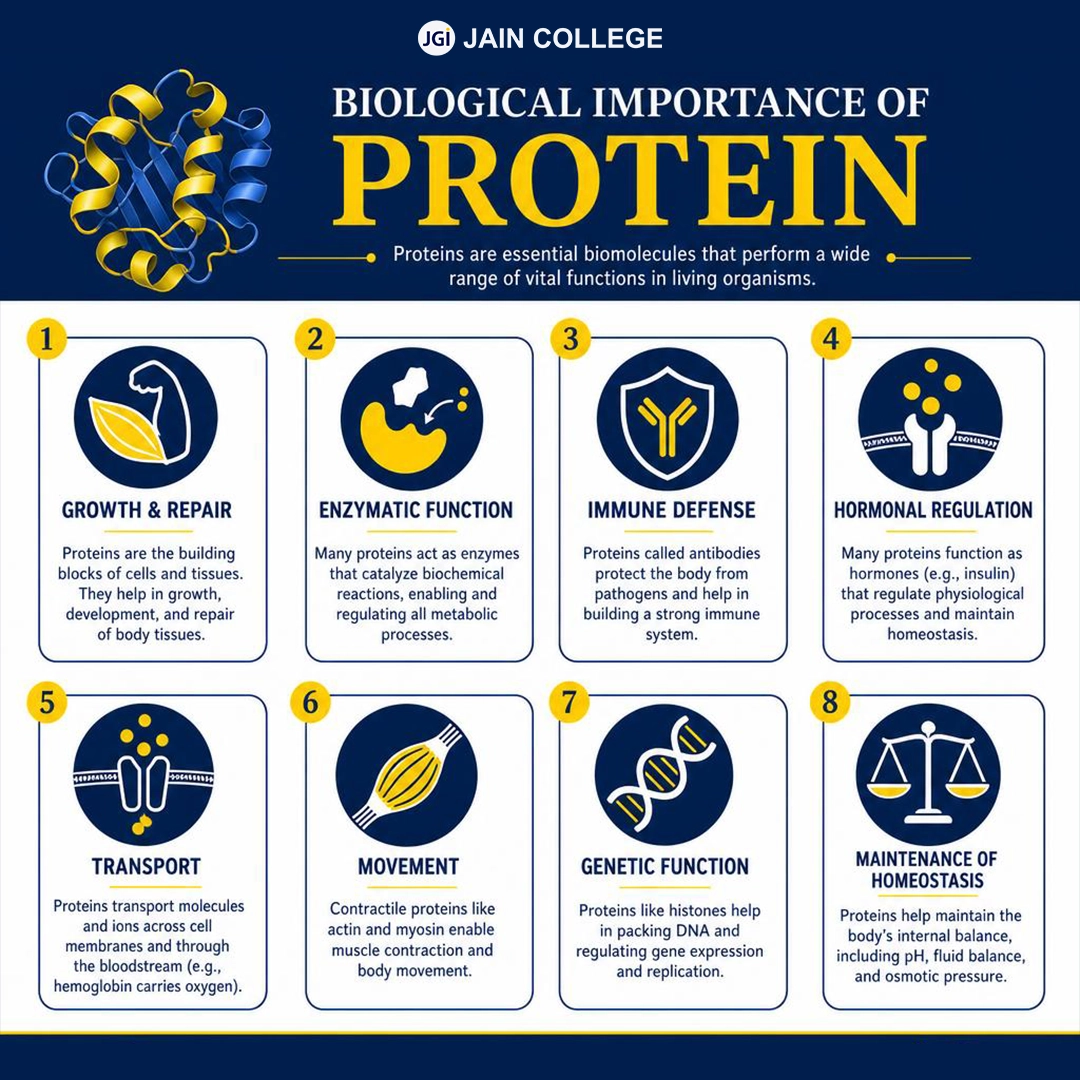
Protein is an essential nutrient required for growth, tissue repair, enzyme activity, and immune function.
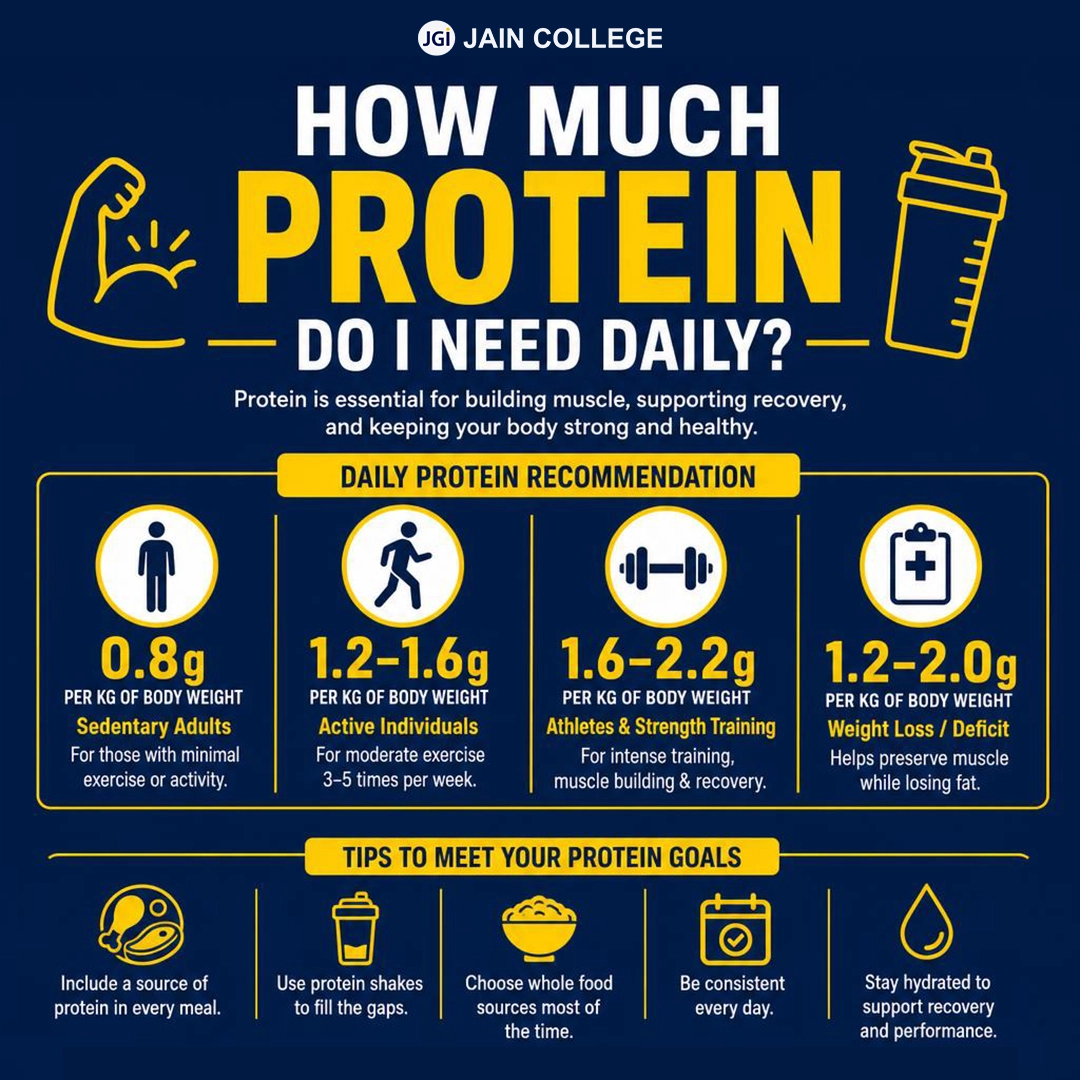
Protein requirements vary depending on age, lifestyle, and health conditions. A balanced diet combining different protein sources helps meet nutritional needs effectively.
Animal-based proteins generally contain all essential amino acids, while many plant-based proteins may lack one or more essential amino acids.
Generally speaking, a healthy human body comprises about 16% proteins, which are as important as water in our bodies.
Different foods contain different amounts of essential amino acids. Generally:
Animal products contain large amounts of all the essential amino acids and are known as 'high-quality protein'. This sources include:
Many plant-based protein sources may lack one or more essential amino acids. However, combining some foods can help provide a balanced amino acid profile. These sources include:
All these plant sources contain all of the essential amino acids. However, the amounts of one or two of these amino acids may be low.
Proteins are essential nutrients that the body uses for growth, repair, and maintenance of tissues. While the body cannot store protein in the same way it stores fats or carbohydrates, it can synthesise proteins from amino acids obtained through the diet.
Excess protein is not entirely stored; instead, it may be broken down and used for energy or converted into other compounds. Therefore, consuming protein in balanced amounts throughout the day helps the body utilise it more efficiently.
One of the most effective ways to meet daily protein needs is to include moderate portions of protein at each meal.
Both animal and plant sources can help meet daily protein needs. The required intake depends on age, gender, and body weight.
| Category | Protein Requirement |
| Children (4–9 years) | 0.9 – 1.0 g/kg/day |
| Adolescents (10–17 years) | Younger teens need closer to approx. 0.9–1.0 g/kg/dayOlder teens closer to approx. 0.8–0.85 g/kg/day |
| Adults (18–64 years) | 0.8 g/kg/day |
| Older Adults (65+ years) | 1.0 – 1.2 g/kg/dayHigher due to muscle loss prevention |
| Pregnant Women | ~1.1 g per kg body weight per day (or approx. +23 g/day above adult needs) |
| Lactating Women (0–6 months) | ~1.3 g per kg body weight per day (or approx. +25 g/day) |
| Lactating Women (6–12 months) | ~1.2 g per kg body weight per day (or approx. +19 g/day) |
Accordingly, it is always recommended to have any food source in a limited amount. As the saying goes, "Too much is too bad," and having too much protein is dangerous for the body. Excess of protein in our body leads to weight gain, liver and kidney disorders, etc.
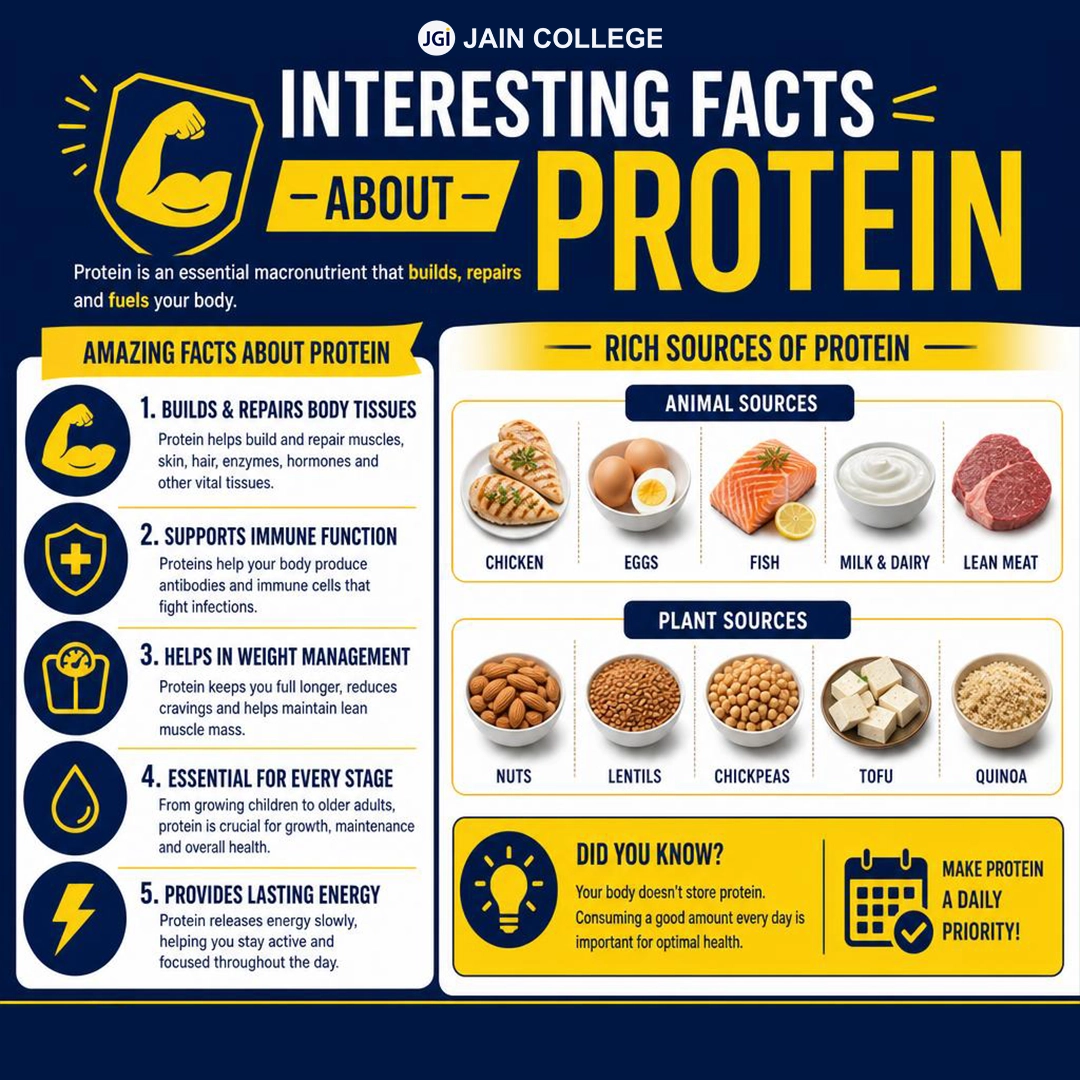
Protein is an important part of a healthy diet. The nutritional value of a protein is measured by the quantity of essential amino acids it contains.
Here are some of the interesting facts about protein and its sources
Fact - 1
There are nearly 100,000 different types of proteins in our body, as they are very much essential for the cells and tissues to grow, to heal and repair all the wounds, and to carry each and every chemical reaction in the body.
Fact - 2
A good quality of protein is found in some food products such as milk, cheese, yogurt, paneer, peas, soybeans, pulses, nuts, potatoes, yams mushrooms, eggs, meat, etc.
Fact - 3
Proteins play a vital role in building immunity and during the production of both hormones and enzymes.
Fact – 4
Different protein-rich foods provide varying amounts of protein. Approximately 1 ounce (28–30 grams) of protein-rich food can be obtained from sources such as 1 large egg, ¼ cup of tofu, or ½ cup of cooked beans or lentils.
Fact – 5
Some proteins, such as antibodies, play an important role in protecting the body against infections and supporting immune responses.
Fact – 6
The human outer skin, nails, and hair are made up of an insoluble, fibrous structural protein that is highly resistant to digestion and breakdown called 'keratin'. Hence, it is always advised to eat enough protein to have glowing skin and long and healthy hair.
Fact – 7
Proteins also help prevent wear and tear on our muscles, build muscle mass, keep our brain healthy, and improve brain function by producing protein-based chemical messengers.
Fact – 8
Low-fat dairy is also an excellent source of protein. Whole grains contain more protein than refined or "white" products.
Fact – 9
There could be no life without protein, and about 18%–20% of the body is composed of proteins. It also plays an important role in the movement, structural support, storage, digestion, transportation and communication between cells.
Fact – 10
In addition to muscle growth, glowing skin, and healthy hair, proteins also help reduce body weight by regulating the range of blood sugar levels, which leads to improved metabolism.
Consuming a protein-rich diet helps in feeling full and prevents consuming extra food.
Proteins are essential biological molecules that perform a wide range of structural and functional roles in living organisms. They are major components of cells and tissues and are required for growth, repair, and normal body functions.
Proteins are composed of amino acids linked together in chains and serve important functions in the body. Proteins can be classified based on their composition, function, shape or nature. They play key roles such as structure, movement, signalling, catalysis and immunity.
Their importance includes serving as enzymes, hormones, and structural components, as well as being involved in processes such as DNA expression, oxygen transport, homeostasis, and immunity.
For more information about the proteins, their structure, function types and other related articles, read our blogs.
What is your go-to source of protein for a healthy lifestyle?
Share your thoughts in the comments below.
Proteins are essential macromolecules made up of amino acids, and they play a wide range of roles in the body.
Enzymes are specialised proteins produced by living organisms that act as biological catalysts.
Nucleoproteins are conjugated proteins (proteins + nucleic acids) found in cell nuclei. They play an important role in storing and transmitting hereditary information from one generation to the next.
These proteins exist in spherical shapes, resulting from the folding of the polypeptide chain(s) on themselves.
Both Gelatin and Casein are examples of proteins.
Both Gelatin and Casein are commonly used together in food technology to create gels and in biomedical applications for edible films due to their high biocompatibility.
Proteins are crucial for transporting substances throughout the body. Some of these functions include:
Fibrous proteins exist in rod shapes containing twisted linear polypeptide chains. These proteins also can be formed as a result of linear aggregation of small globular proteins, such as actin and fibrin. Examples include collagen, keratin, and elastin.
Proteins play several important roles in coordinated motion by helping muscles contract, transmitting signals, and supporting body structures.These functions allow the body to perform coordinated activities such as walking, running, writing, and balancing effectively.
Proteins have four levels of structure:
Symptoms of protein deficiency include:
The two main properties of proteins include the following:

JAIN PU College, a part of the renowned JGI Group, is committed to empowering students with quality education.
Beyond academics, the college ensures its online content reflects the same standard of excellence. Every blog and article is meticulously vetted and proofread by subject matter experts to ensure accuracy, relevance, and clarity. From insightful educational topics to engaging discussions, JAIN PU College's content is crafted to inform, inspire, and add value to its readers, reflecting the institution's commitment to intellectual growth and innovation.
View all Blogs