Table of Contents
Animals are familiar to us due to our frequent interactions with them. Humans are also animals and share many fundamental biological traits with other members of the animal kingdom. We share the planet with an incredible diversity of animal species that play an essential role in our survival and in maintaining the balance of ecosystems.
Despite differences in structure and form, animals share certain fundamental features related to their body's organisation.
A vast number of animal species have been formally described, with many more yet to be discovered.
The basic fundamental features, such as level of organisation, symmetry, cell organisation, coelom, segmentation, notochord, etc., have enabled us to broadly classify the animal kingdom. Besides the fundamental features, there are many other distinctive characters, which are specific for each phylum or class.
The broad classification of Animalia is based on common fundamental features.
Animals: An Overview
Animals are one of the largest and most diverse groups among the five kingdoms of biological classifications. Based on their similarities, characteristic features, and genetic analysis, animals are grouped into Kingdom Animalia.
The Classification of Kingdom Animalia
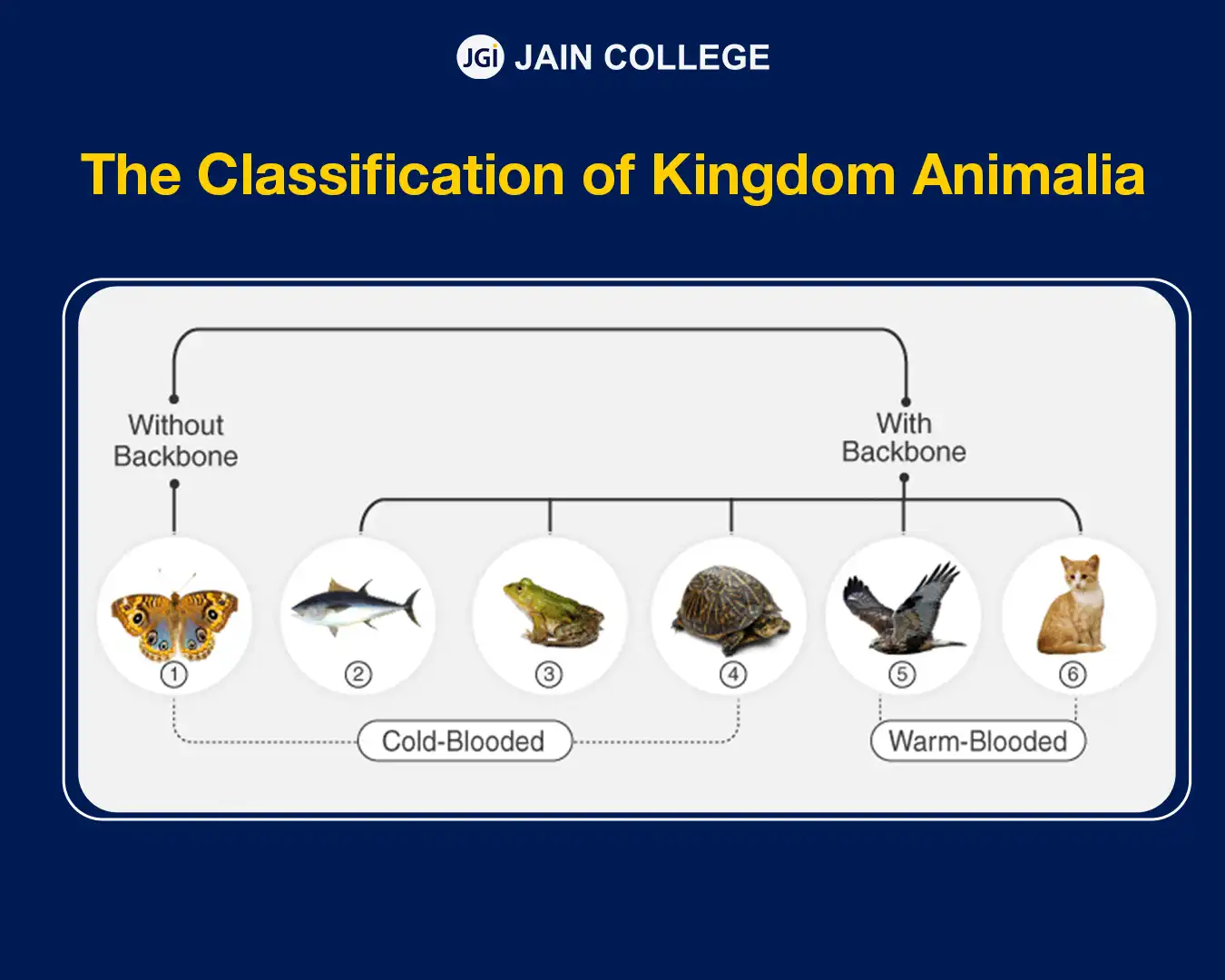
Animals are unicellular and multicellular, prokaryotic and eukaryotic, and aerobic and anaerobic species. They are heterotrophic, as they obtain food by feeding on plants and other animals.
The basic features, including level of organisation, symmetry, cell organisation, coelom, segmentation, and notochord, have enabled scientists to classify the Kingdom Animalia.
Besides the fundamental features, there are many other distinctive characters, which are specific for each phylum or class.
Altogether, there are two to three million animal species, and they are grouped into the Kingdom Animalia.
Have you ever wondered how animals are able to survive in the wild?
Animals survive in diverse environments through specialised adaptations. These adaptations may be physical, behavioural, or physiological.
Physical adaptations
Physical adaptations are body structures that help animals survive, such as:
- Mimicry (resembling another organism)
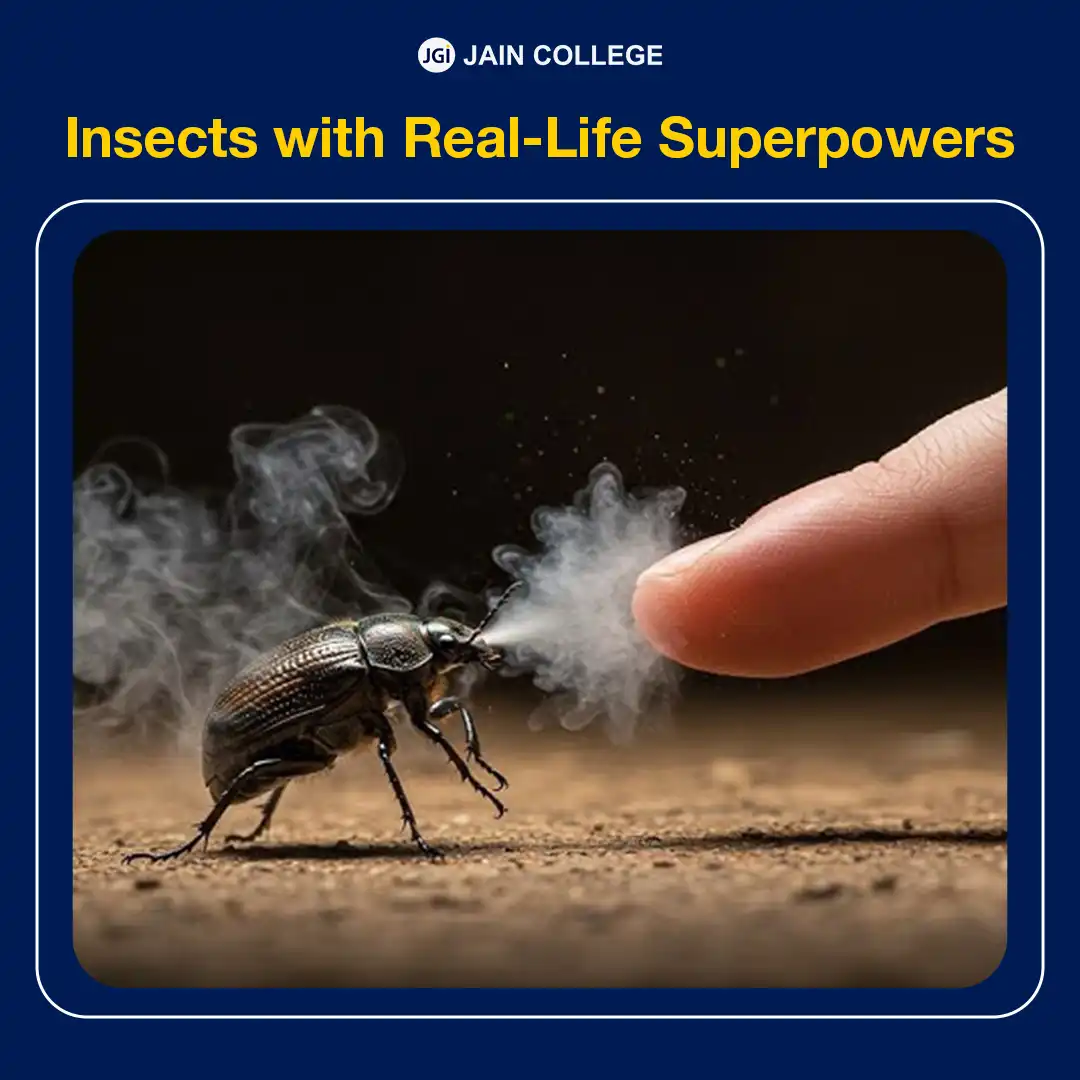
- Chemical defenses (venom, ink, sprays)
- Camouflage (use of color to blend with surroundings)
Behavioral adaptations
Behavioural adaptations are actions animals perform to survive, such as migration, hibernation, or social cooperation.
| Physical adaptations are body structures.Behavioural adaptations are animals’ actions. |
The broad classification of Animalia is based on common fundamental features.
Based on differences in body design and organisation, Kingdom Animalia is classified into several major phyla.
15 Incredible Animal Facts: Discover Extraordinary Truths About the Natural World
Animals inhabit our planet in a wide variety of forms. From the smallest insects to the largest mammals, the Kingdom contains many fascinating facts that never fail to intrigue us.
Here are some amazing facts about animals:
- Fish, amphibians and reptiles are poikilothermous (cold-blooded), which means they have little or no internal control over their body temperatures. Their core temperature is directly linked to the temperature of their environment.
- A snail can sleep for up to 15 hours a day and can even hibernate for up to three years during harsh conditions.
- Reptiles are mostly oviparous (egg-laying). They are distinguished by their dry, scaly skin, which helps them move efficiently and survive in dry environments.
- The Peregrine Falcon is the fastest bird, with an estimated airspeed of around 389 km/h or 242 mph
- The unique features of mammals are the presence of mammary glands and hairs on the skin. They commonly exhibit viviparity
- Aves are warm-blooded animals with feathers on their bodies and forelimbs modified into wings for flying. The hind limbs are adapted for walking, swimming, perching, or clasping
- The blue whale is the biggest mammal, weighing up to 190 tonnes and measuring 30-35 metres in length
- Koalas have fingerprints remarkably similar to human beings, which can confuse forensic investigators
- The cheetah is the fastest land animal in the Kingdom Animalia. It can reach the speeds of up to 120 km/h within seconds
- The African bush elephant is the largest mammal on land, as it measures up to 3m high and weighs up to 6,000kg on average
- Savannah elephants are among the strongest animals and are capable of lifting up to 350 kg with their trunks
- An ant is capable of lifting objects many times its body weight. In 2010, an Asian weaver ant was recorded lifting an object 100 times heavier than its body
- The puma, also known as the cougar or mountain lion, can leap up to 3.6 metres high (from the ground into the fork of a tree). While the snow leopard can jump up to 10 metres long in a single leap
- There are several animal species that often die due to extreme exhaustion, starvation, or physiological changes. Some of these species include octopus, salmon, scorpions, social spiders, and Labord's chameleon
- In the Kingdom Animalia, some species are considered social animals. This is mainly because they live, interact, and cooperate with others of their own kind, forming structured, interdependent groups to enhance survival. These animal creatures include cows, elephants, wolves, lions, dolphins, and gorillas. Ants and bees are also called social animals
These points conclude our overview of some incredible animal facts.
According to the International Union for Conservation of Nature (IUCN), approximately one thousand species are lost each year. Our actions, particularly the destruction of habitats, threaten almost every species currently in danger of extinction. A healthy planet requires the protection of wildlife.
Also Read:
Amazing Facts about Living Creatures
Discover the Most Unbelievable, Unheard Facts About Animals
Many captivating creatures from the distant past continue to blow our imagination with their mysterious lives and unique characteristics. Let us learn some more fascinating and outrageous things about animals.
Octopus: The Genius of the Deep
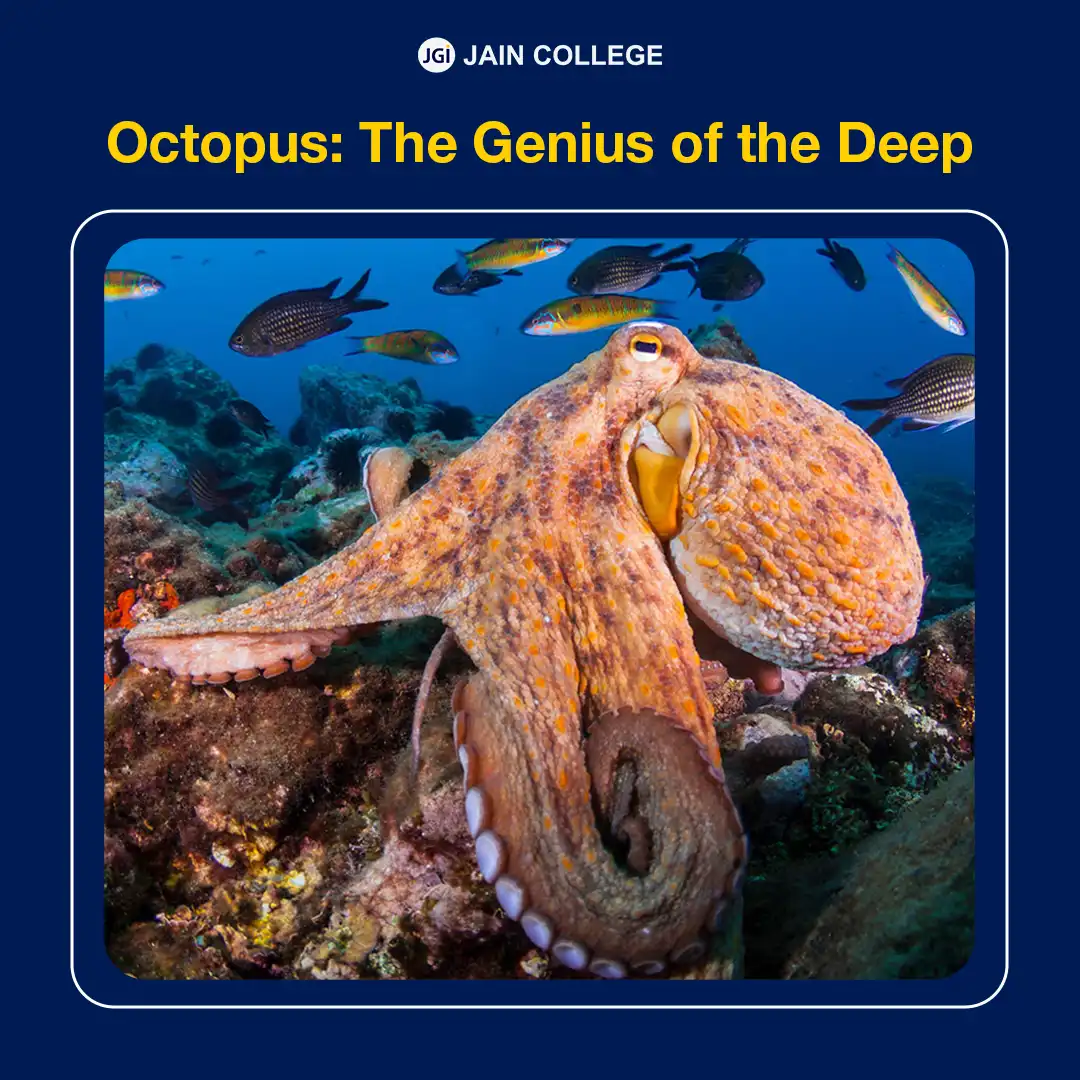
- Over 300 Octopus species are found worldwide in tropical and warm temperate waters
- Octopuses are extremely sensitive to touch but cannot discriminate between heavy and light objects
- Octopuses have taste receptors all over their bodies and are as much as 10:1000 times more sensitive to taste than humans
- Octopuses have excellent vision, although it is believed that they are colourblind. Some have a 360º range of vision
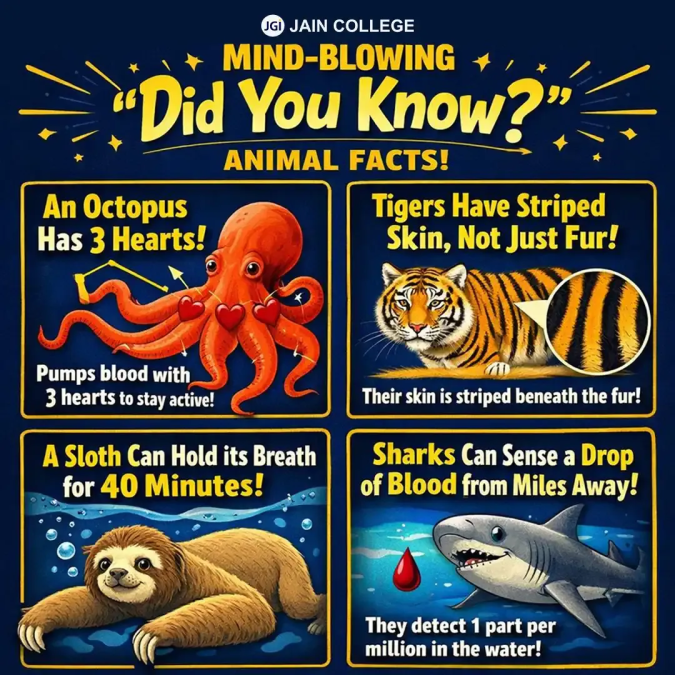
- An octopus has three hearts, one large one in the mantle (bulb) and two smaller ones behind each eye. An octopus's blood is copper-based, which gives it a light blue colour when it is holding oxygen. Octopuses have a ring of arms surrounding the mouth.
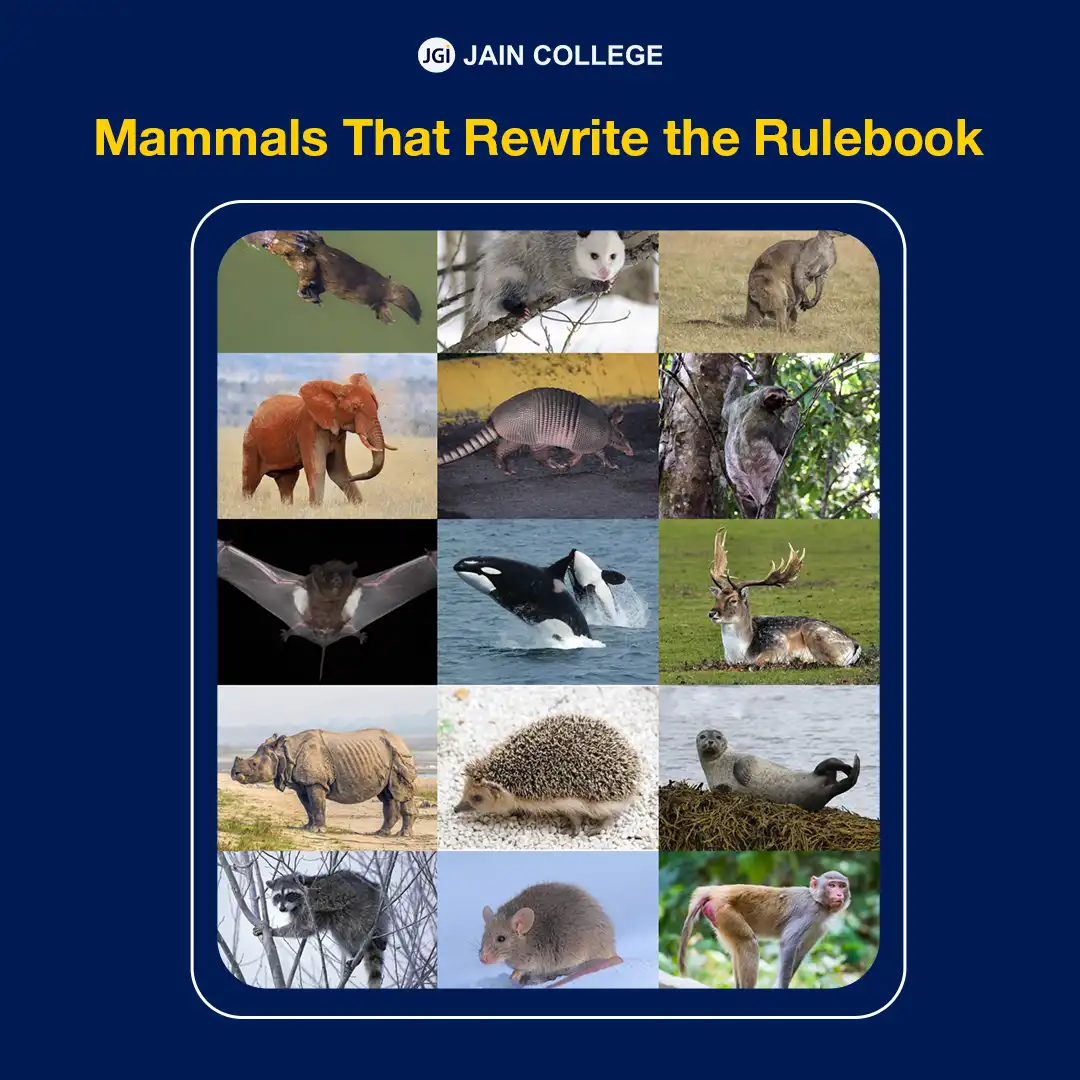
Mammals That Rewrite the Rulebook
- Dogs' sense of smell is about 100,000 times stronger than humans'
- Just like human fingerprints, no two giraffes have the same coat pattern
- Giraffes' six-foot (1.8m) long necks have seven vertebrae, the same number as humans
- Butterflies have receptors on their feet and legs similar to that of human taste buds
- Cows are friendly and approachable animals who enjoy positive interactions with humans
- Chimpanzees and gorillas share almost all of our DNA, making them the most similar animals with human characteristics.
Insects With Real-Life Superpowers
- Cockroaches can withstand much higher levels of radiation than humans
- Froghopper leap is equivalent to a human jumping over a 210 metre (700 ft) skyscraper
- Bark Spiders webs are the strongest natural substance on earth, which is 25 times stronger than steel
- Mantis shrimp has 16 types of photoreceptors, allowing it to see colours and light invisible to humans
- Honeybees have a sense of smell 50 times more powerful than a dog. This is because they have 170 odorant receptors
- A dragonfly’s view of the world is powered by 11 to 30 opsins. While human eye-opsins are sensitive to three types of light: green, red and blue
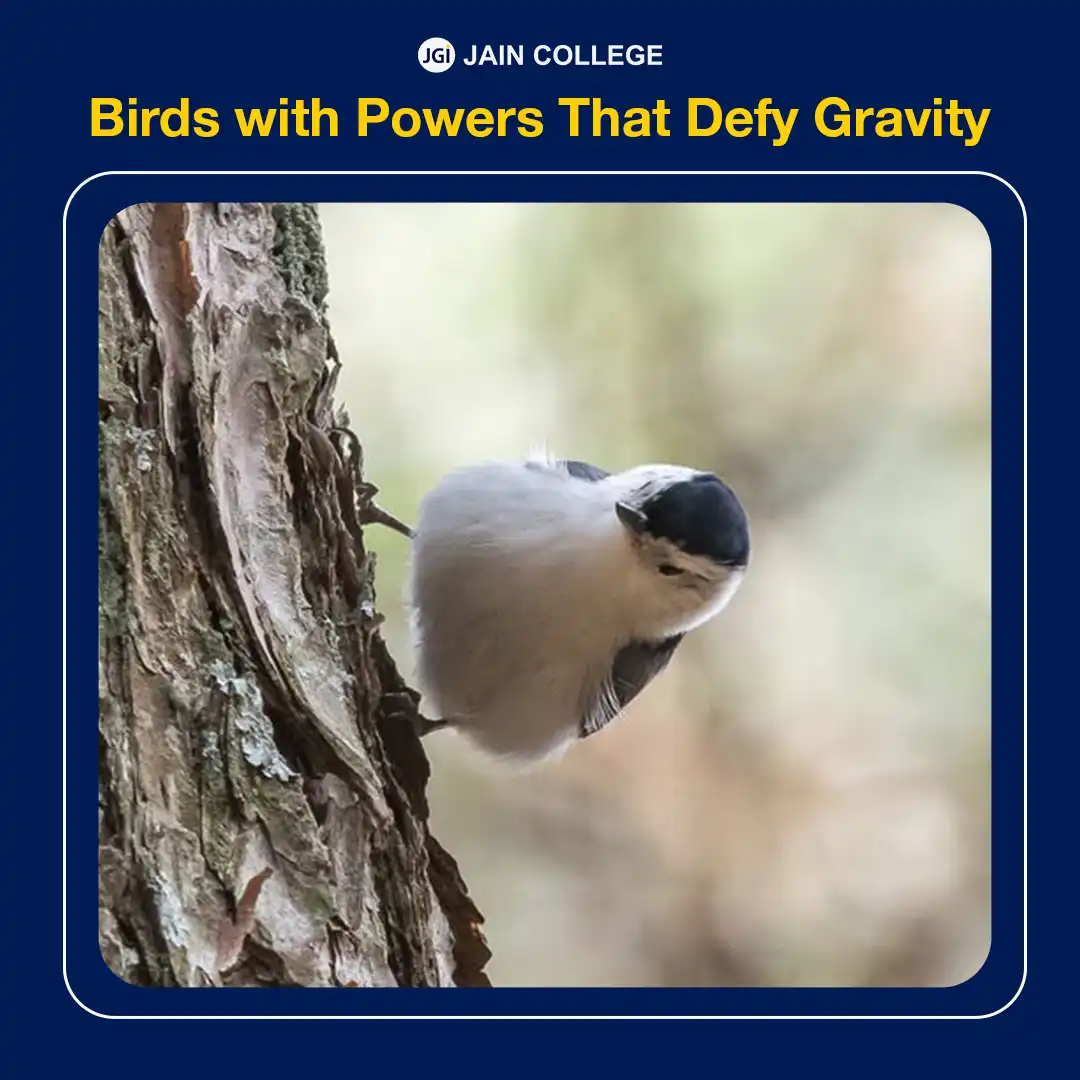
Birds With Powers That Defy Gravity
- The smallest bird in the world is the bee hummingbird of Cuba, which can measure as little as 57 mm (2.24 in)
- Like humans, parrots also have taste buds on their tongues. Humans have up to 10,000 taste buds, while parrots have about 350
- Some types of owls can twist their heads up to 270° in each direction, which is about 3 times as far as we, humans can turn
- The peregrine falcon is the fastest bird in flight in the world. it can speed through the air at more than 200 miles (300 km) per hour
- The Andean condor holds the title of the world's heaviest prey bird. A male bird weighs between 9 and 12 kg (20 to 27 pounds), and its wings are longer, spanning over 3 metres (9 feet 10 inches).
- Along with crows, pigeons are also said to be able to recognise and even remember which humans are good and which are bad.
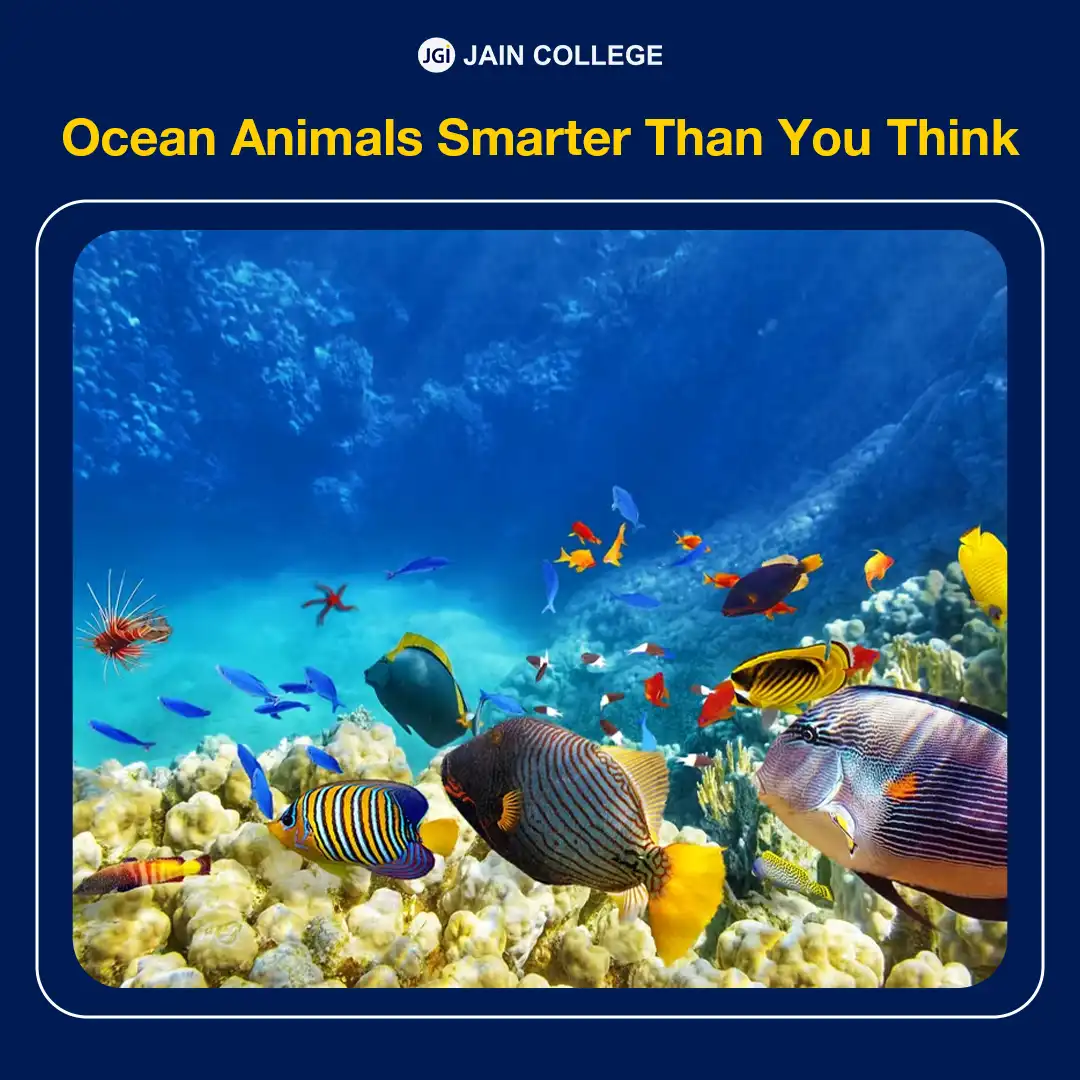
Ocean Animals Smarter Than We Think
- The ocean goliath has 9 brains, hunts sharks at night and can grow as long as a school bus
- Sperm whales are the deepest diving mammals and has the largest brain on the planet, five times bigger than humans
- Some species of whales are among the longest-lived mammals. Scientists have estimated that whales can live for more than 200 years
- Sea otters will hammer a rock against an abalone shell (sometimes as quickly as 45 hits in 15 seconds!) to loosen it from the sea floor
- Many of the fish species can detect motion in the water using a special row of scales with sensors known as the lateral line and can find their prey by detecting electrical charges
- Whale and dolphin brains contain specialised brain cells called spindle neurones. These are associated with advanced abilities such as recognising, remembering, reasoning, communicating, perceiving, adapting to change, problem-solving and understanding.
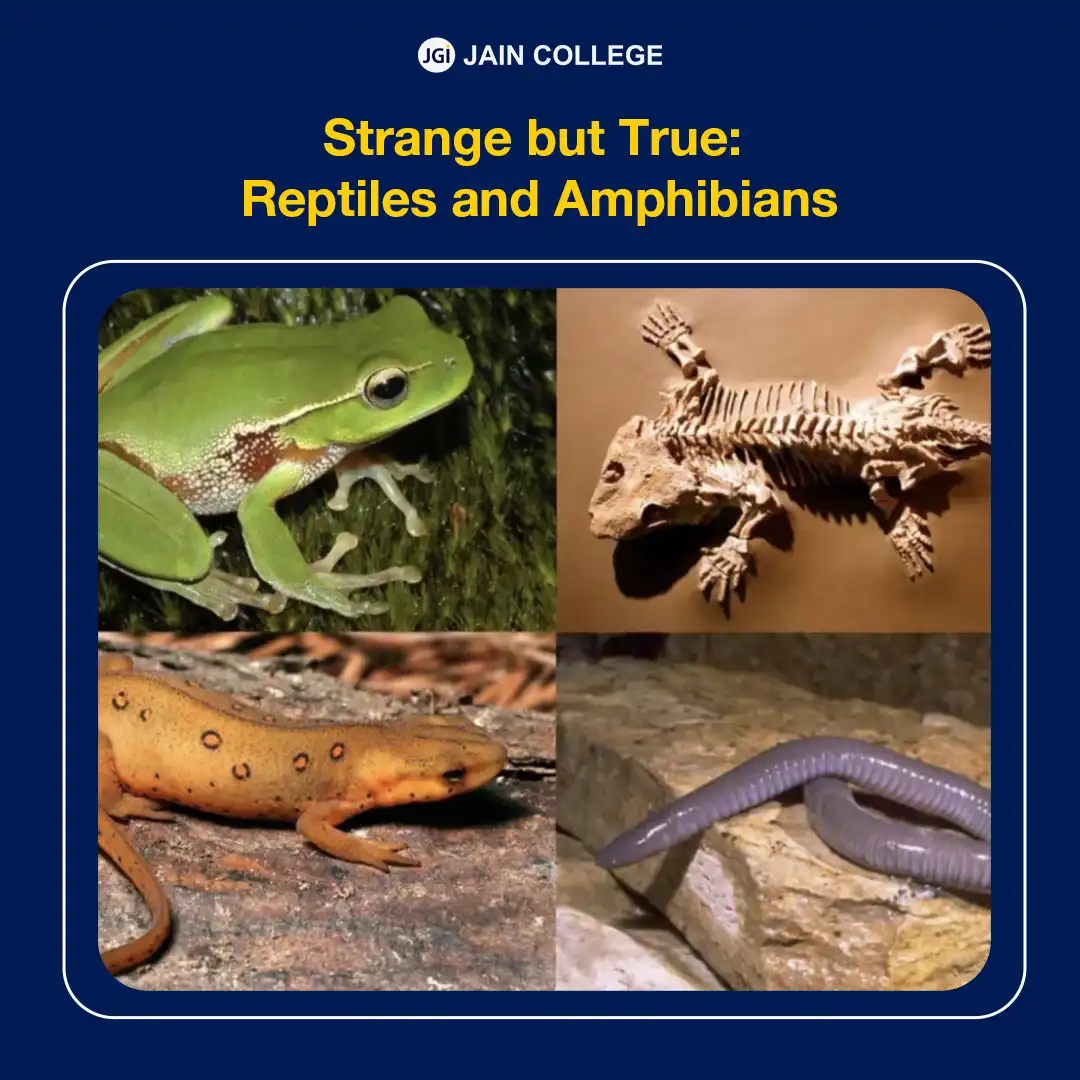
Strange But True: Reptiles and Amphibians
Turtles are called the true survivors as they have survived ice ages, asteroid impacts, and millions of years of change
Salamanders have been on Earth for more than 300 million years. These creatures date back to the time of the dinosaurs, over 40 million years ago
Turtles belong to one of the oldest reptile groups in the world. The oldest known turtle was a giant tortoise named Jonathan, who lived to be over 190 years old.
Saltwater crocodiles could weigh over 1000 kg. On average, adult males range from 4.3 to 4.9 m in length and weigh between 408 and 522 kg, but they can reach lengths of up to 7 m and weights of over 1000 kg
Like other reptiles, frogs also shed their skin periodically. Rather than simply shedding their skin and leaving it behind, frogs actively consume it. frogs actually push the shedding skin into their mouths and eat it. This is the ultimate way to recycle all the components they used to produce their skin
Not all snakes lay eggs. Approximately 30 to 40 per cent of snakes do not lay eggs. Species of snakes living in especially colder climates give birth to their young ones. This is mainly because the eggs would not survive outside in colder climate regions.
Tiny Creatures With Shockingly Huge Strength
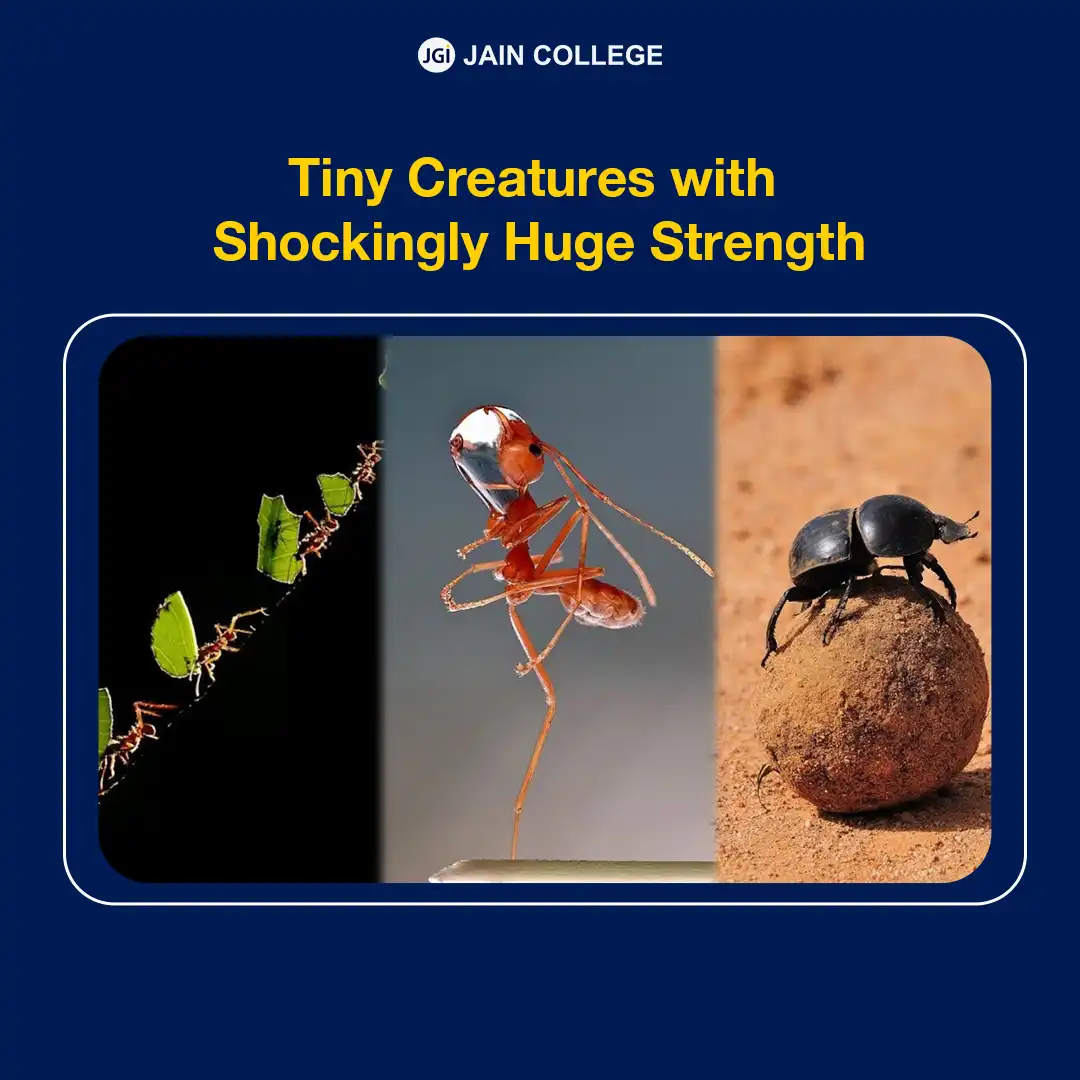
- According to the fossils, ants evolved over 100 million years ago, around the time of the dinosaurs.
- Spiders are not cyclops. The eyes of spiders come in an even number; most spiders have eight eyes, some species have six, while some spiders have fewer than six eyes
- Termites are social insects and raise their families as a group. The total weight of all the termites in the world is more than the weight of all the humans in the world
- There are about 2,000 known termite species in the world. They are known as "silent destroyers" because of their ability to chew through wood, flooring and even wallpaper without detection
- Spiders neither attack nor bite humans. Their behaviour is mainly because they do not see humans as their prey. In some rare cases, spiders may bite humans if they feel threatened or to protect their egg sac.
- Why does sugar attract ants?
Ants require carbohydrates as a primary source of energy, which makes up a major part of their diet. Sugary substances such as candy and syrup are rich in carbohydrates, so ants are naturally attracted to them.
Mind-Blowing “Did You Know?” Animal Facts
- Camels are famous for being able to survive for weeks without water and for months without food. An adult camel typically consumes 10–20 kg of fresh feed per day.
- Both Amphibians and Reptiles are cold-blooded animals and omnivores. They are important components of aquatic and terrestrial ecosystems. For about 100 to 300 million years, both Amphibians and reptiles were the dominant terrestrial vertebrates.
- Elephants are the world’s largest land animal. Male African elephants weigh between 4,000 and 7,500kg; Asian elephants weigh between 3,000 and 6,000kg; and Savannah elephants weigh more than 5,442kg.
- Horses have a nearly 360-degree field of vision and have excellent hearing. Humans have only three muscles to control their ears, while horses have ten, allowing them to rotate their ears nearly 180 degrees.
- Giraffes are primarily browsers. Their diet also includes herbs, climbers, vines, flowers, and fruits when in season, with a minimal proportion of grass. They surprisingly drink only once every few days, even when water is readily available. Evidence suggests that many giraffes drink irregularly and sometimes not at all.
- A lion’s roar can be heard from so far away because it’s incredibly loud and because of the shape of their vocal cords. The measure of a lion's roar can be up to 114 decibels
Conclusion
These fascinating animal facts highlight the extraordinary ways in which different species have adapted to survive and thrive.
Learning the different facts about each animal species helps broaden the foundations of biological science, including our knowledge and understanding of life processes in all animals.
Stay tuned to https://www.jaincollege.ac.in/blogs and explore more amazing facts about living creatures, animals, plants and more.
Which animal do you want to learn more about after reading this?
Share your thoughts in the comments below.