






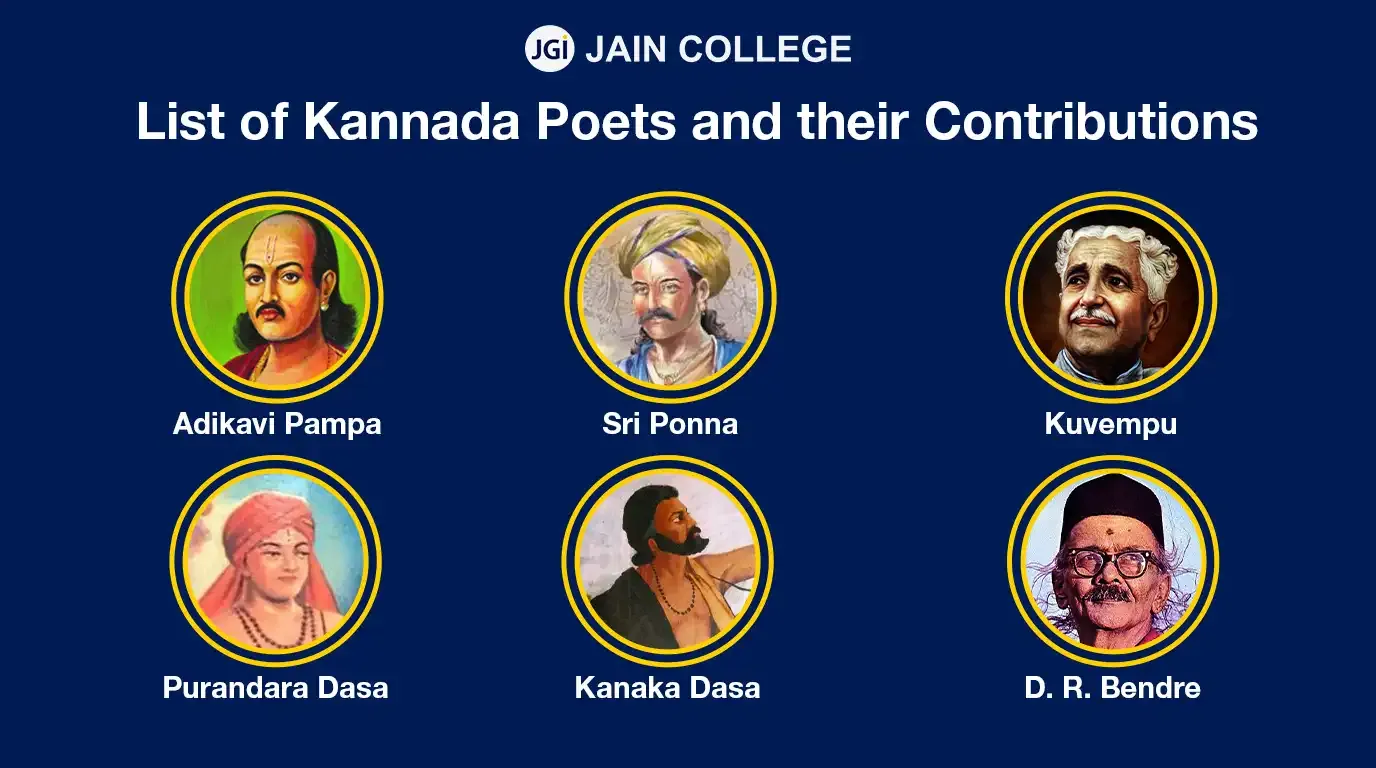
Kannada Poets have played a major role in shaping the literary and cultural identity of Karnataka for more than a thousand years. From ancient Jain scholars to modern literary legends like Kuvempu, Kannada Poets have preserved history, spirituality, devotion, and social reform through powerful poetry. The journey of Kannada Poets reflects the evolution of Kannada literature itself. Many Kannada Poets transformed regional storytelling into globally respected literary art. Today, Kannada Poets continue to inspire students, researchers, writers, and literature lovers across India and beyond.
Kannada poetry is a centuries-old literary tradition from Karnataka that includes classical epics, vachana (social reform poetry), Haridasa devotional compositions, and modern literary movements.
This guide lists famous Kannada poets in a clear timeline, along with their key works, contributions, and notable awards to better understand how Kannada literature evolved from ancient to contemporary times.
Kannada poetry represents one of India’s richest literary traditions, encompassing classical epics, reformist vachanas, devotional Haridasa literature, and modern poetic movements.
In this article let us explore a chronological overview of renowned Kannada poets, their major contributions, and significant awards, offering readers a clear understanding of the evolution of Kannada literature from ancient to contemporary times.
| Period | Time | What it’s known for | Key Poets |
| Early Kannada | 9th–12th century | Classical epics, court literature | Pampa, Ponna, Ranna, Nagavarma I |
| Vachana Movement | 12th century | Social reform, spiritual poetry | Basavanna, Akka Mahadevi, Allama Prabhu |
| Haridasa Period | 14th–16th century | Devotional songs, musical tradition | Purandara Dasa, Kanaka Dasa, Vijaya Dasa |
| Late Medieval | 13th–17th century (continuing later) | Proverbs/folk wisdom, regional traditions | Sarvajna, Shishunala Sharif |
| Modern & Contemporary | 19th–21st century | New themes, movements, modernism | Kuvempu, D. R. Bendre, Adiga, Kambara, Siddalingaiah |
Akka Mahadevi was one among the earliest and most prominent women poets in Kannada, and Adikavi Pampa is widely regarded as the first major Kannada poet.
Karnataka has produced many distinguished poets and literary awardees who have made significant contributions to Indian literature.
Kannada poetry has evolved significantly from the time of Adikavi Pampa, who expressed his desire to be reborn as an insignificant bee in the land of Kannada, to the works of Kuvempu and Dattatreya Ramachandra Bendre.
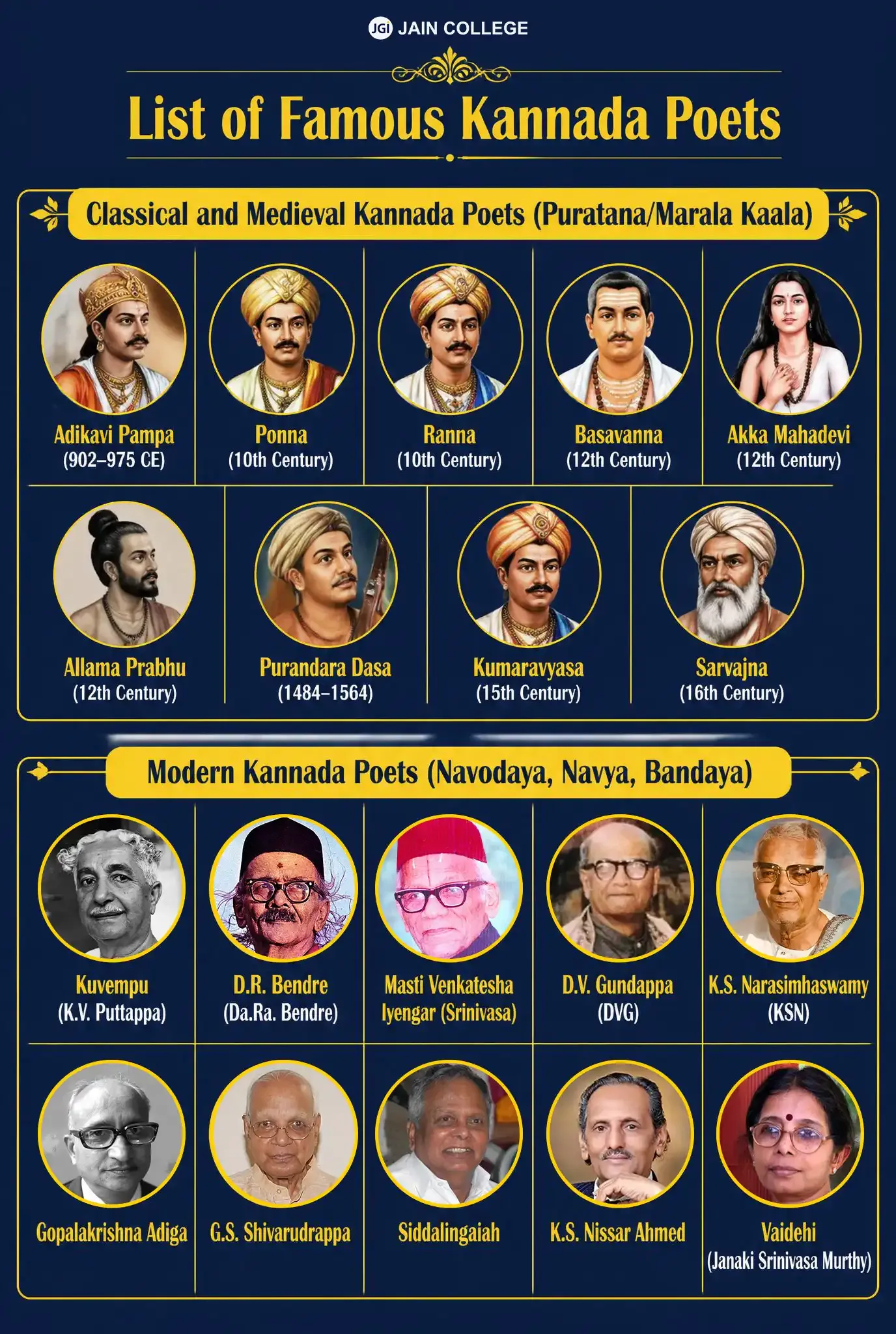
| Classical and Medieval Kannada Poets (Puratana/Marala Kaala) |
| Adikavi Pampa (902–975 CE) |
| Ponna (10th Century) |
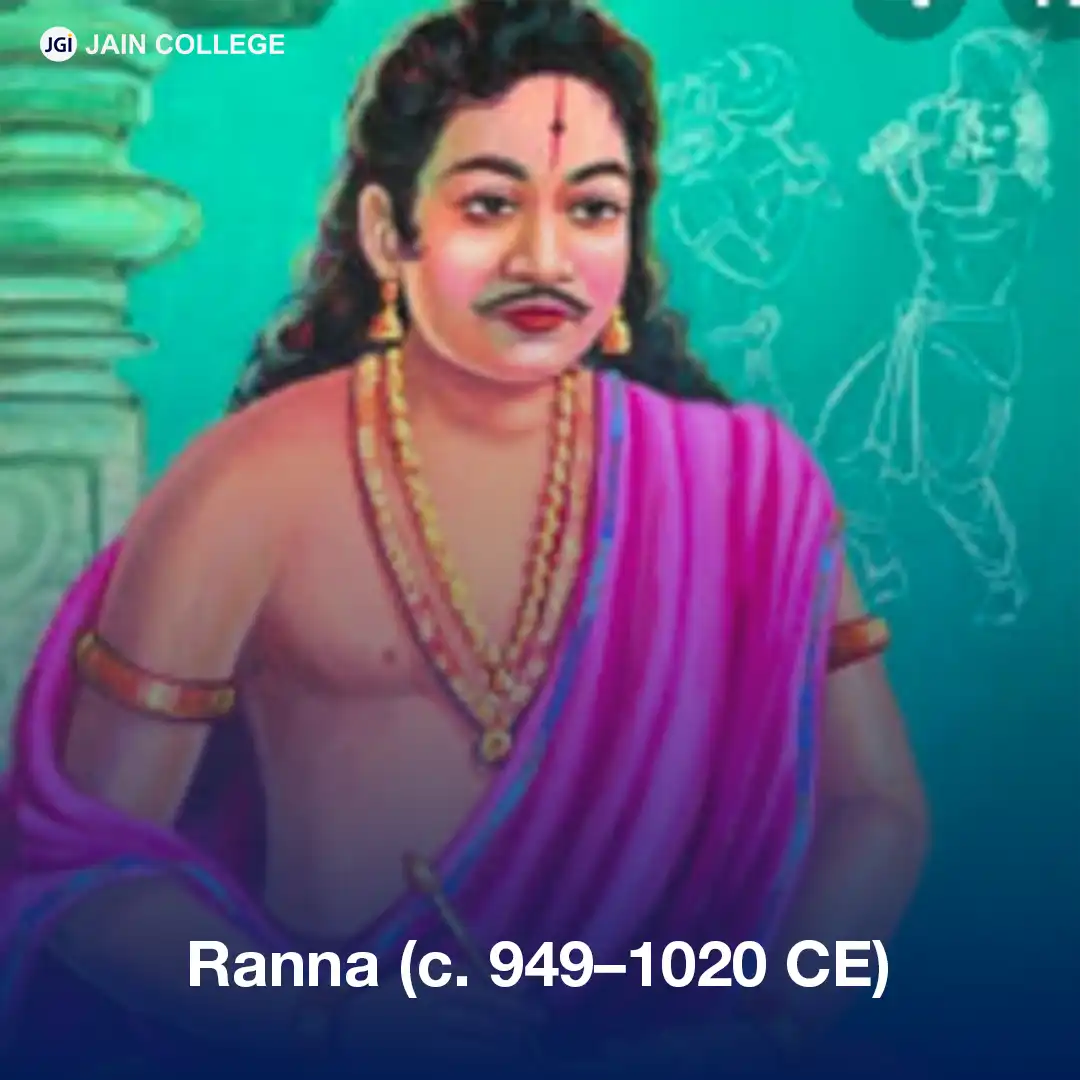
| Ranna (10th Century) |
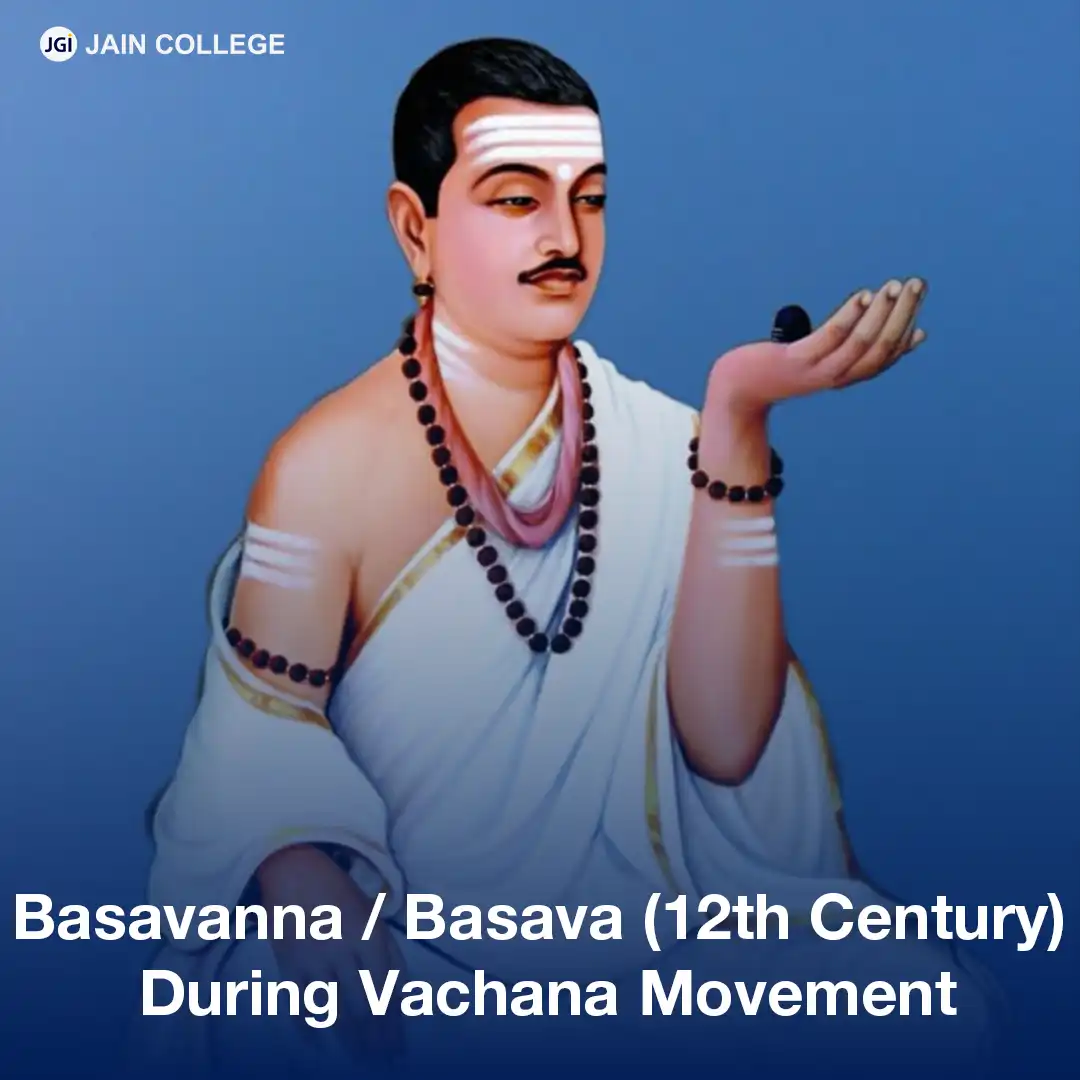
| Basavanna (12th Century) |
| Akka Mahadevi (12th Century) |
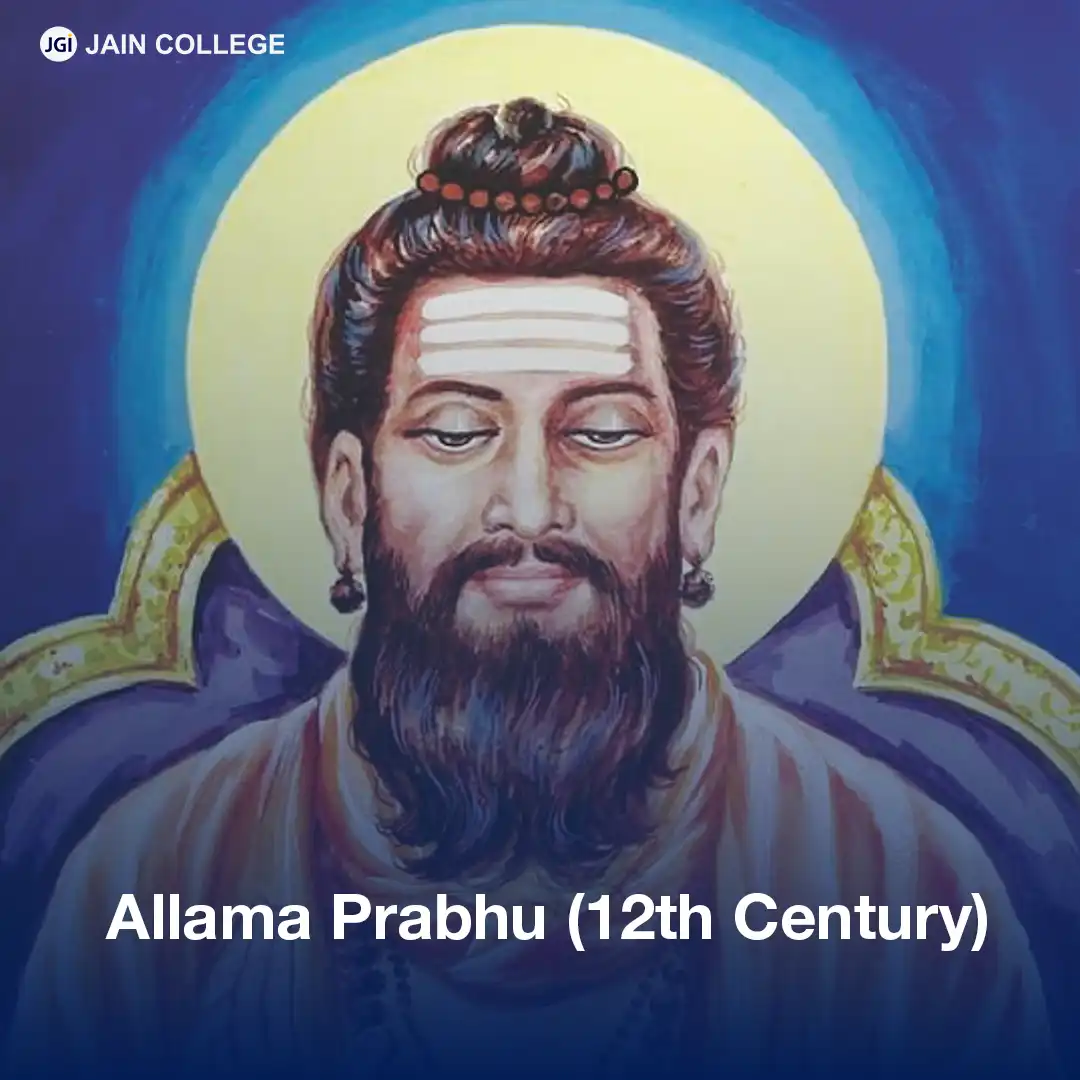
| Allama Prabhu (12th Century) |
| Purandara Dasa (1484–1564) |
| Kumaravyasa (15th Century) |
| Sarvajna (16th Century) |
| Modern Kannada Poets (Navodaya, Navya, Bandaya) |
| Kuvempu (K.V. Puttappa) |
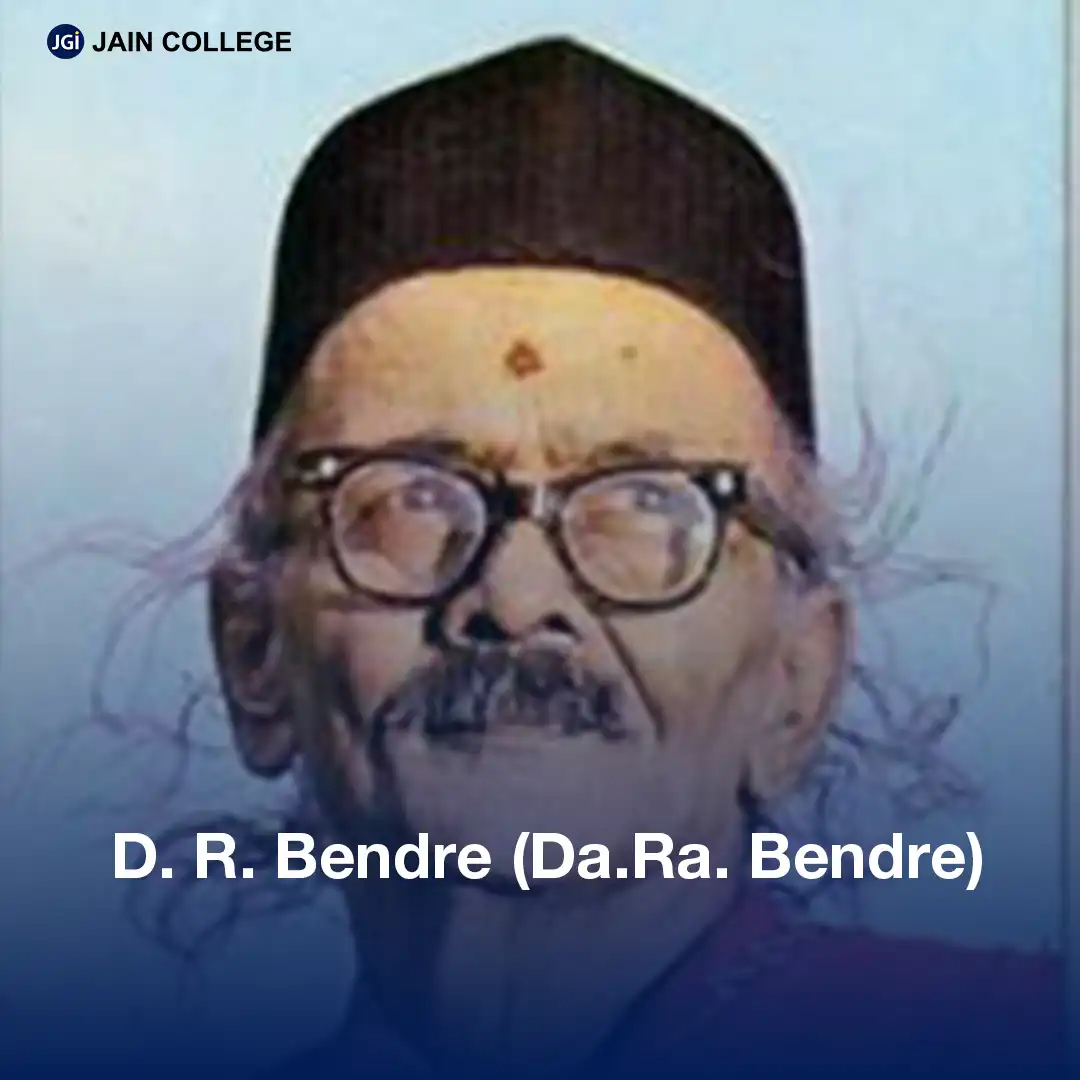
| Dattātreya Rāmachandra Bēndre (D.R. Bendre) or (Da.Ra. Bendre) |
| Masti Venkatesha Iyengar (Srinivasa) |
| D.V. Gundappa (DVG) |
| K.S. Narasimhaswamy (KSN) |
| Gopalakrishna Adiga |
| G.S. Shivarudrappa |
| Siddalingaiah |
| K.S. Nissar Ahmed |
| Vaidehi (Janaki Srinivasa Murthy) |
Let us explore the remarkable Kannada poets who have shaped the literary heritage of Karnataka.
Their works span from Basavanna’s vachanas to the celebrated poetry of
Da. Ra. Bendre and other influential writers across ancient, medieval, and contemporary periods.
Below is a chronological list of renowned Kannada poets, organised by major literary periods for clarity and historical context:
| Early Kannada Period (9th–12th century)(Beginning of classical Kannada literature) |
| Pampa |
| Ponna |
| Ranna |
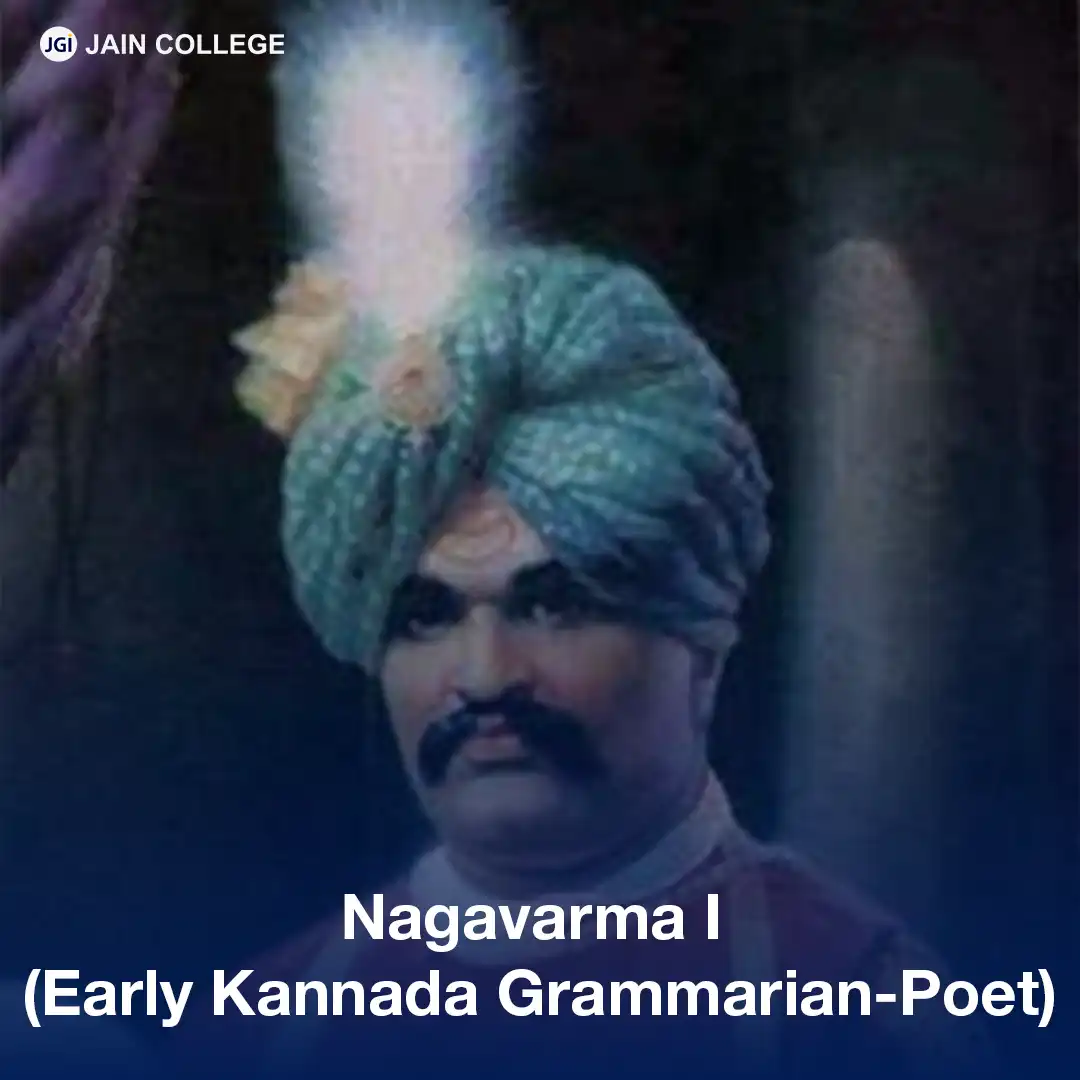
| Nagavarma-I |
| Vachana Movement / Medieval Period (12th Century)(Bhakti movement and social reform poetry) |
| Basavanna |
| Allama Prabhu |
| Akka Mahadevi |
| Devara Dasimayya |
| Haridasa Period (14th – 16th Century)(Devotional and musical poetry) |
| Purandara Dasa |
| Kanaka Dasa |
| Vijaya Dasa |
| Late Medieval / Nadugannada (13th–17th-century traditions continuing later) |
| Sarvajna |
| Shishunala Sharif |
| Modern Kannada Literature (19th – Early 20th Century) |
| B. M. Srikantaiah |
| Masti Venkatesha Iyengar |
| Navodaya & Modern Era Kannada Poets (20th Century) |
| Kuvempu |
| D. R. Bendre |
| K. S. Narasimhaswamy |
| Gopalakrishna Adiga |
| Contemporary Kannada Poets (Late 20th – 21st Century) |
| Chandrashekhara Kambara |
| Siddalingaiah |
| H. S. Venkateshamurthy |
Kannada poetic compositions called 'Vachanas' were pithy comments on that period's social, religious, and economic conditions.
Kannada poets and Haridasa composers such as Purandara Dasa significantly hold the unique distinction of laying the foundation for one of the richest forms of classical music, known as "South Indian Carnatic music".
During the 15th century, the Dasas, or saints, sang the glory of God through poems that were called Padas.
Here are some of the famous Kannada poets from ancient to modern times who have permanently influenced the culture.
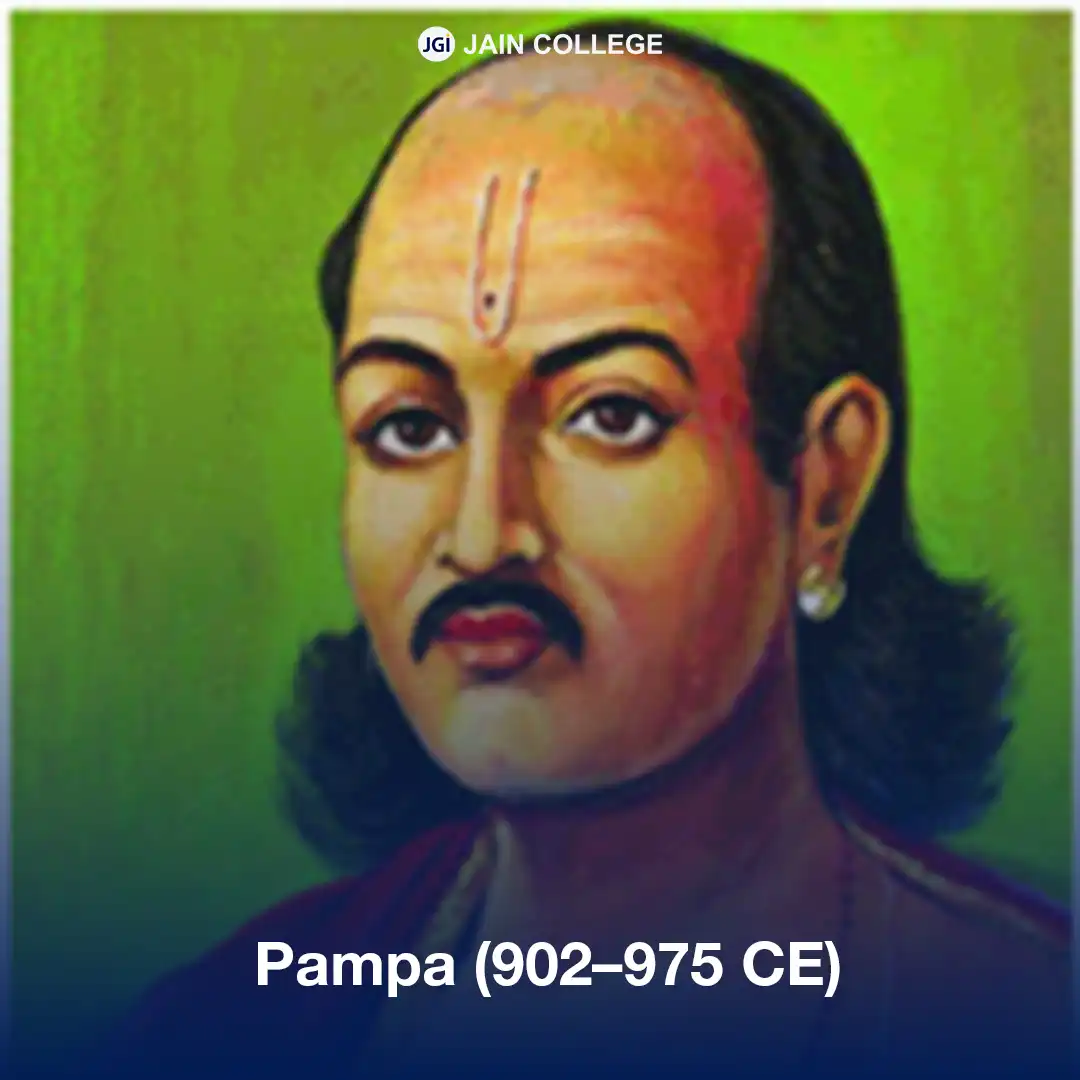
Known for:
Key works:
Legacy:
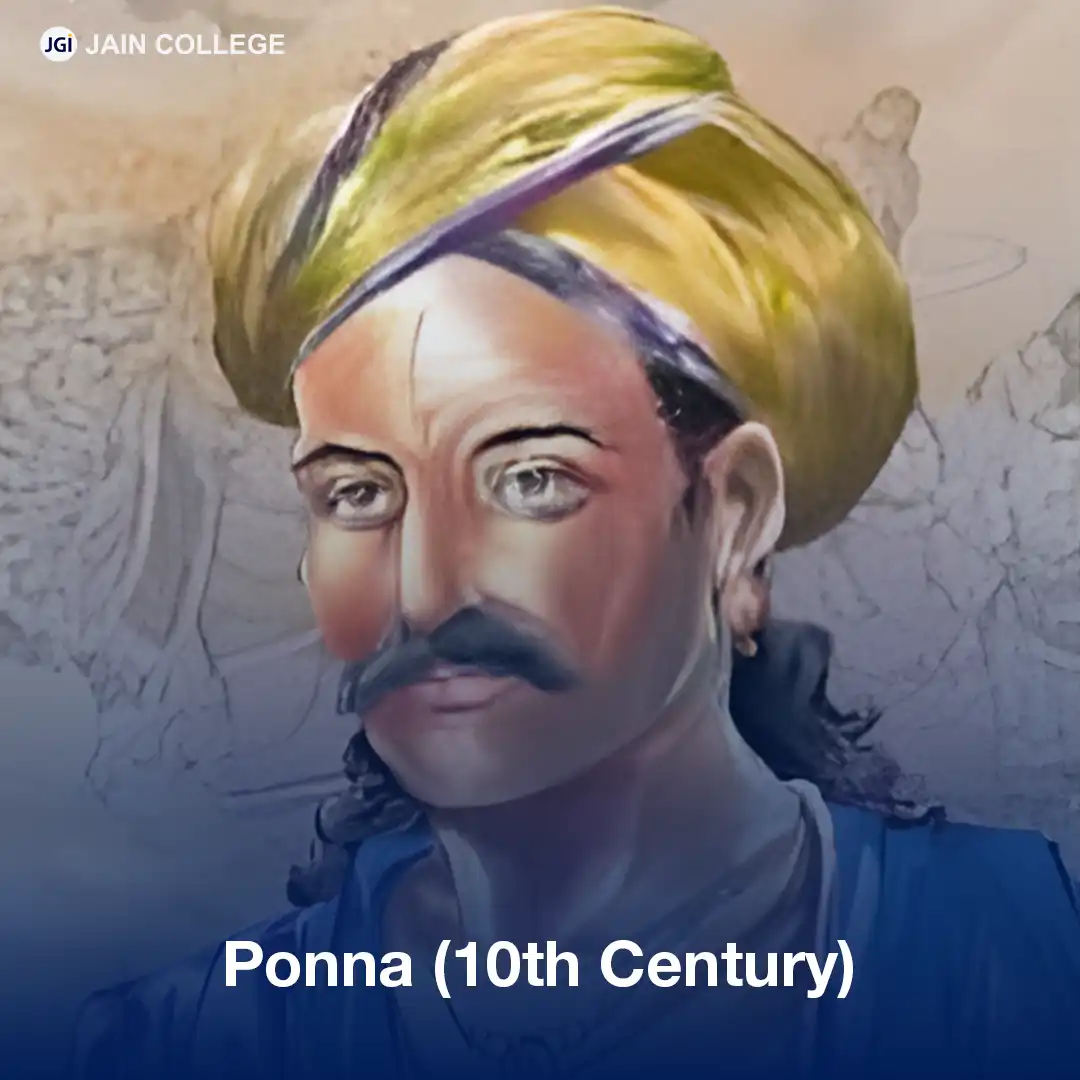
Known for:
Key works:
Legacy:
Known for:
Key works:
Legacy:
Known for:
Key works:
Legacy:
Known for:
Key works:
Legacy:
Known for:
Key works:
Legacy:
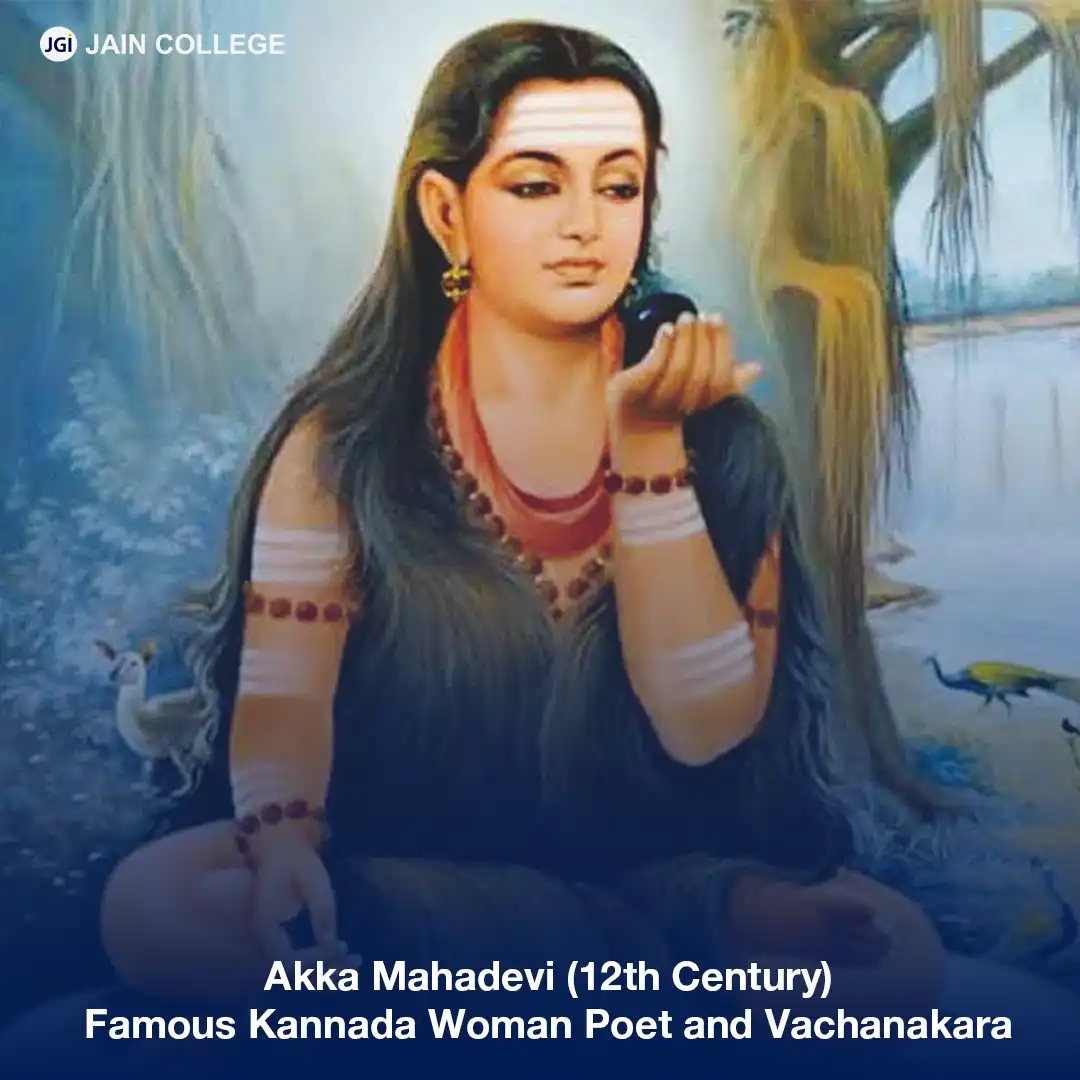
Known for:
Key works:
Legacy:
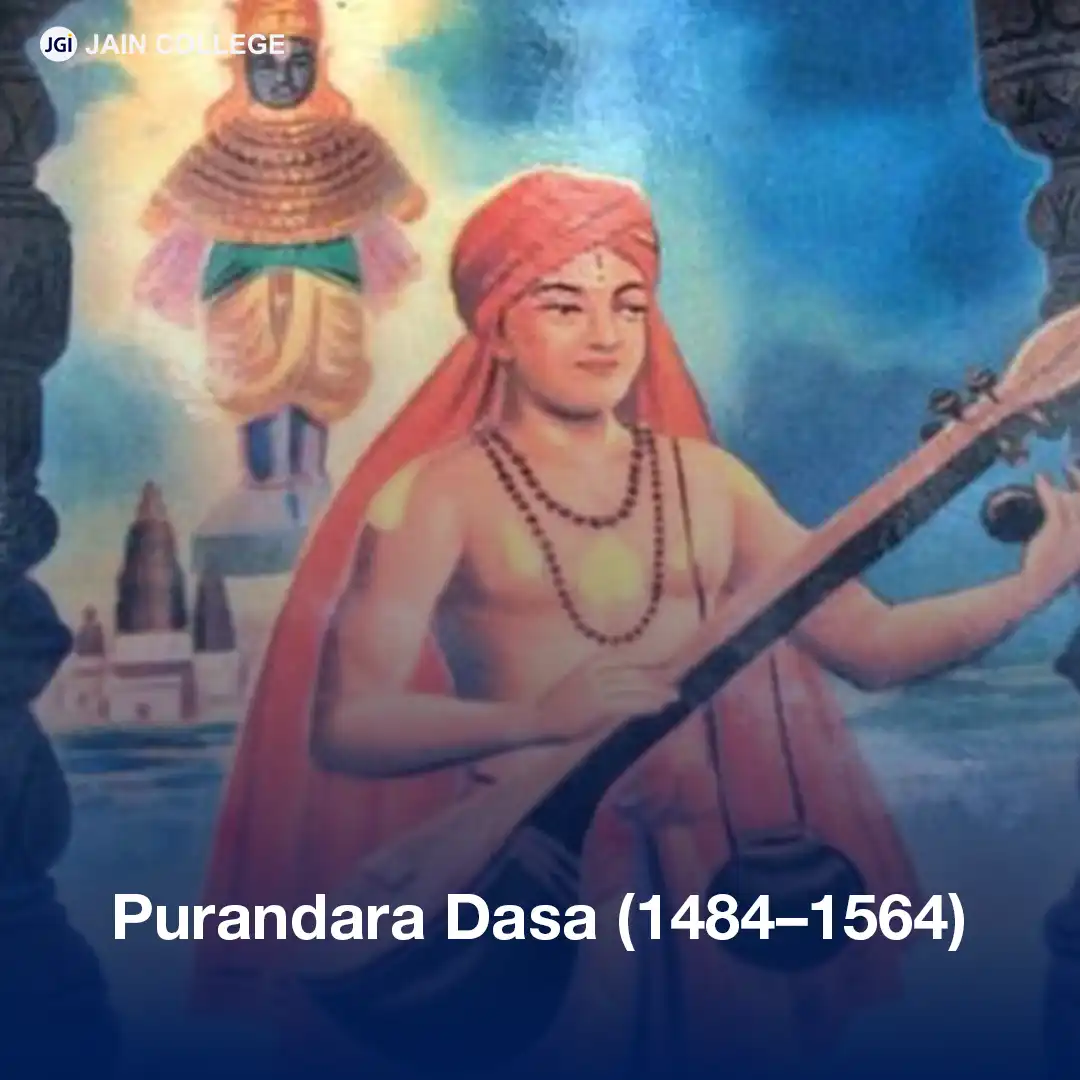
Known for:
Key works:
Legacy:
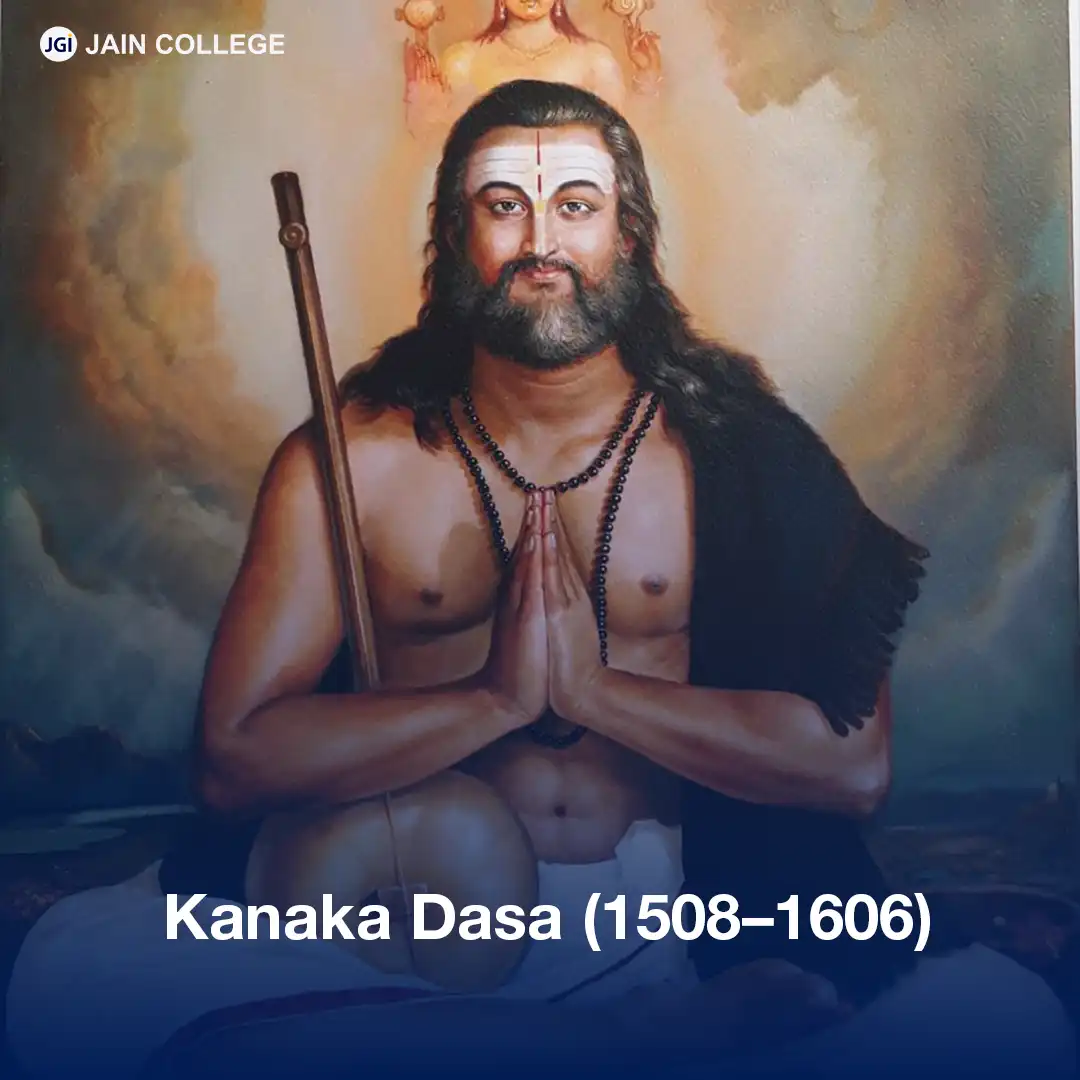
Known for:
Key works:
Legacy:
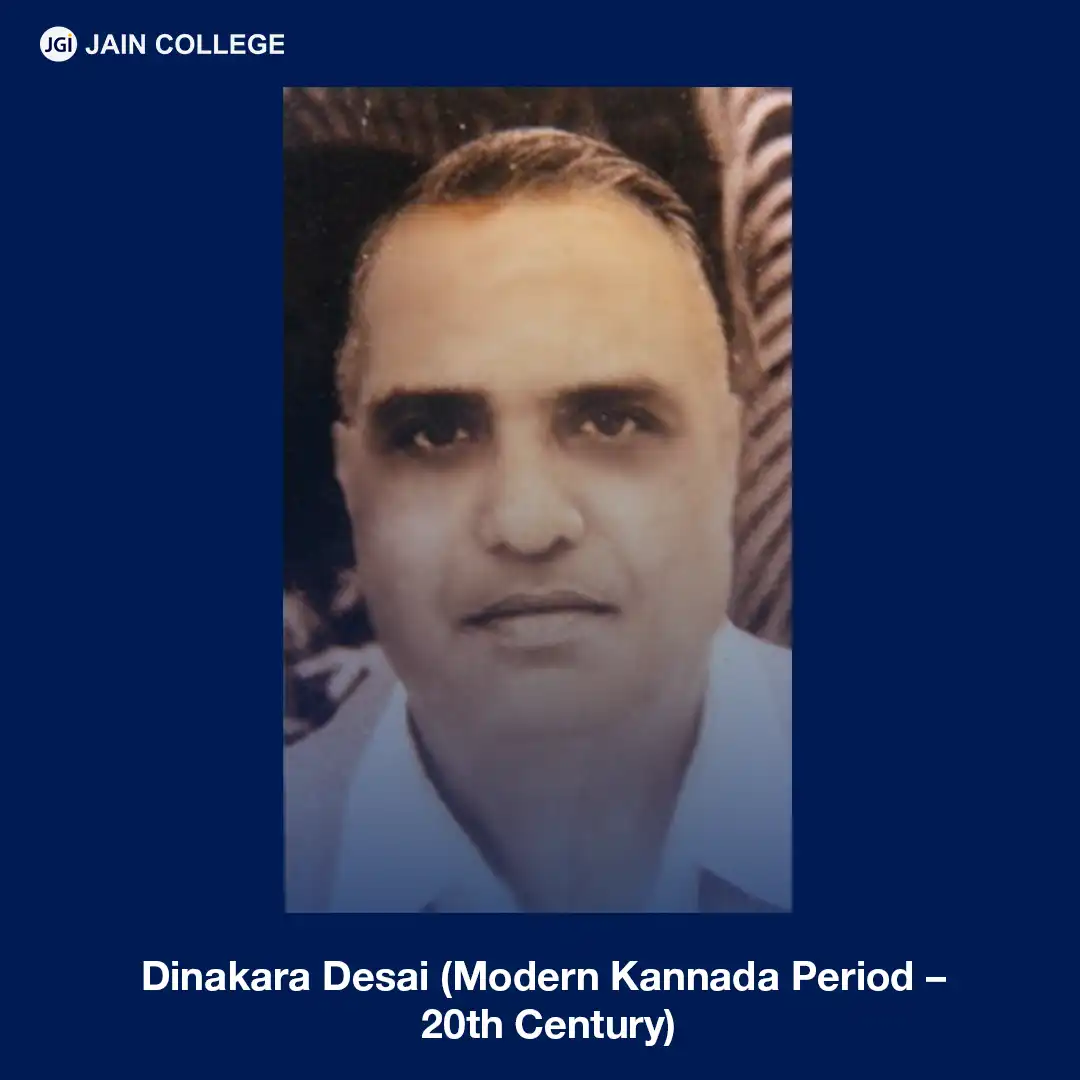
Humorous Kannada Poet Dinakara Desai became famous for his entertaining and meaningful chutuka poetry. This modern Kannada Poet used humour, wit, and social observation to connect with ordinary readers. His poetry reflected everyday life, human behaviour, and social realities in a relatable manner.
Known for:
Key works:
Legacy:
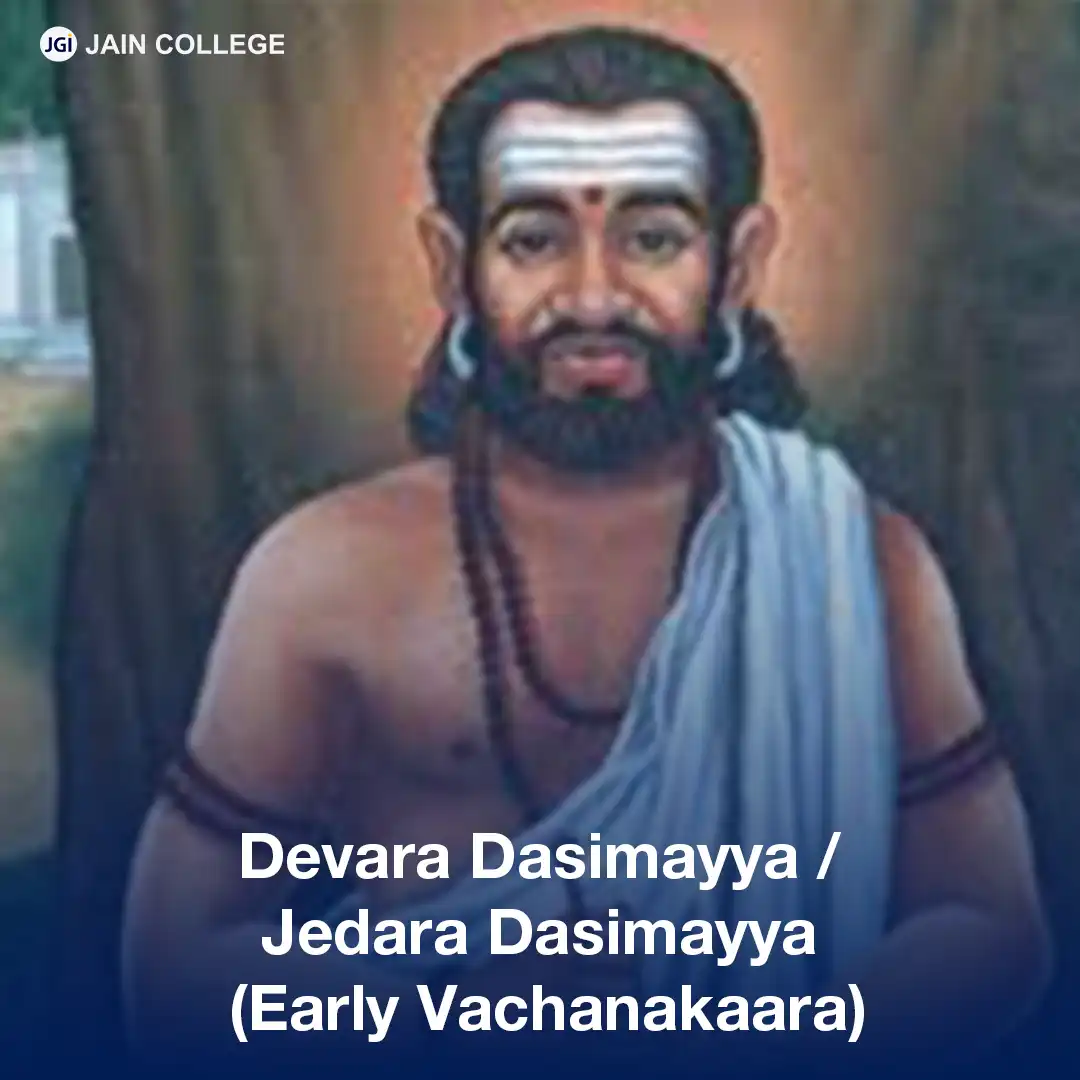
Early Kannada Poet Devara Dasimayya was one of the earliest vachanakara poets in Kannada literature. His vachanas focused on simplicity, morality, spirituality, and social values. This influential Kannada Poet played an important role in shaping the early vachana literary tradition.
Known for:
Key works:
Legacy:
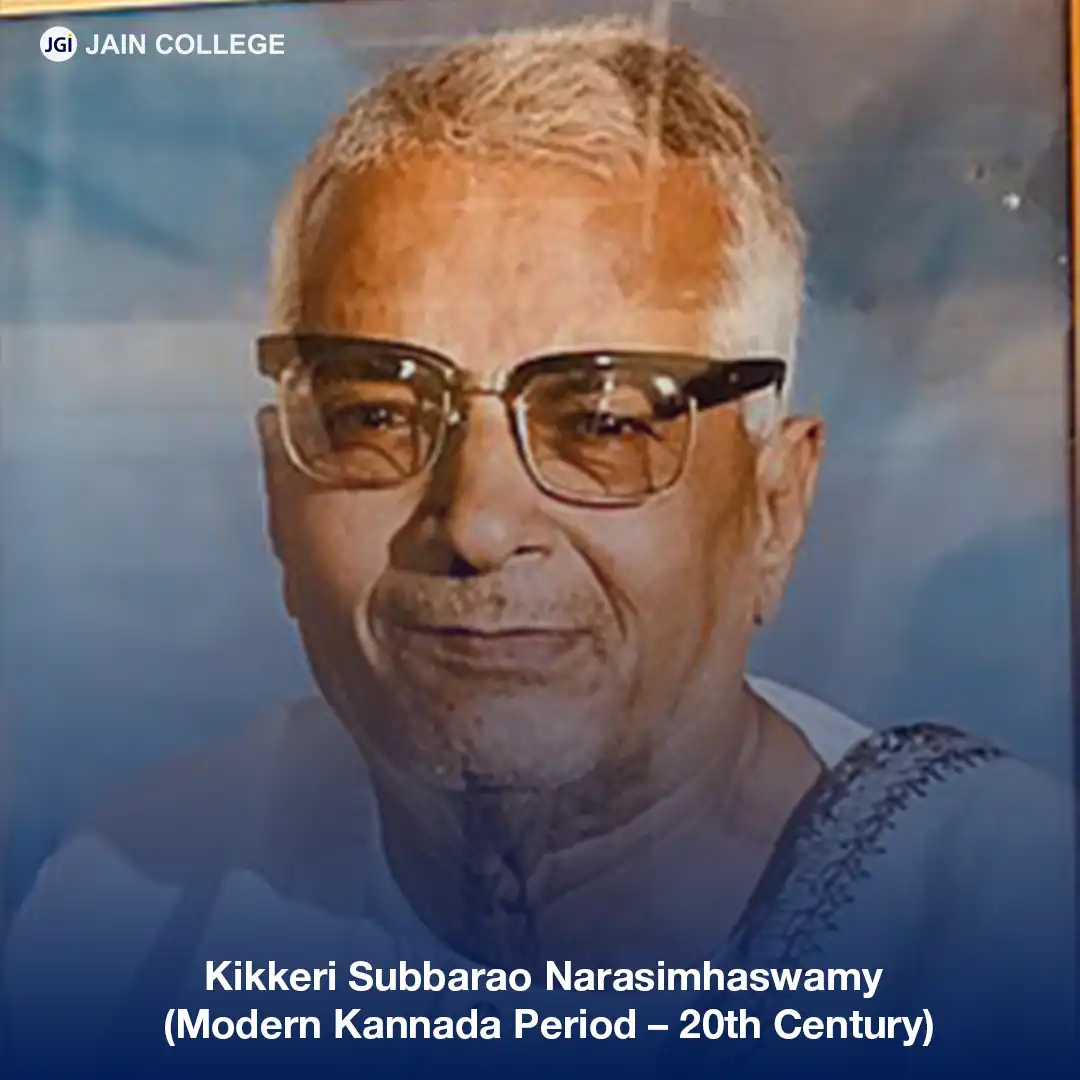
K. S. Narasimhaswamy (Kikkeri Subbarao Narasimhaswamy)
Known for:
Key works:
Mysore Mallige
Legacy:
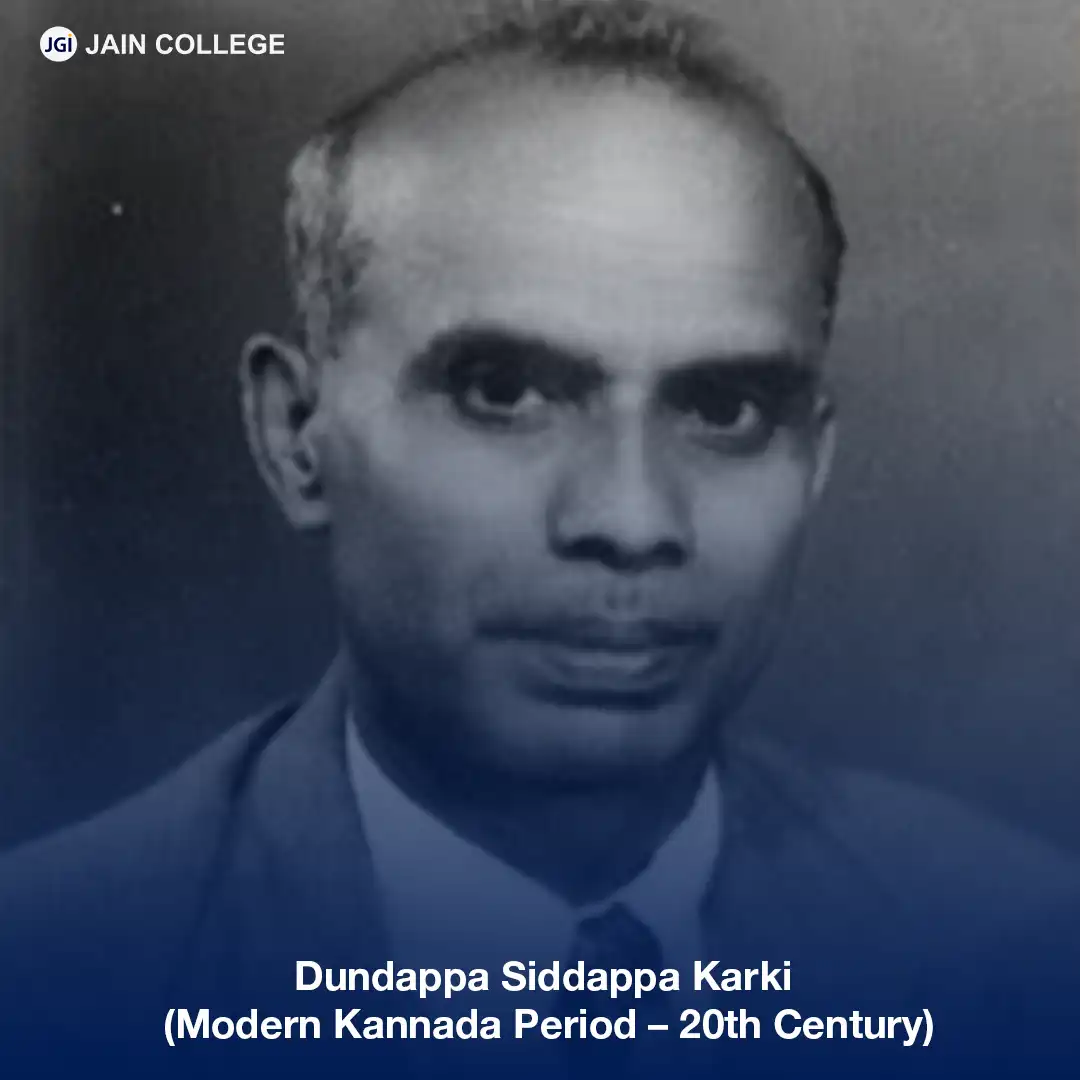
Known for:
Key works:
Legacy:
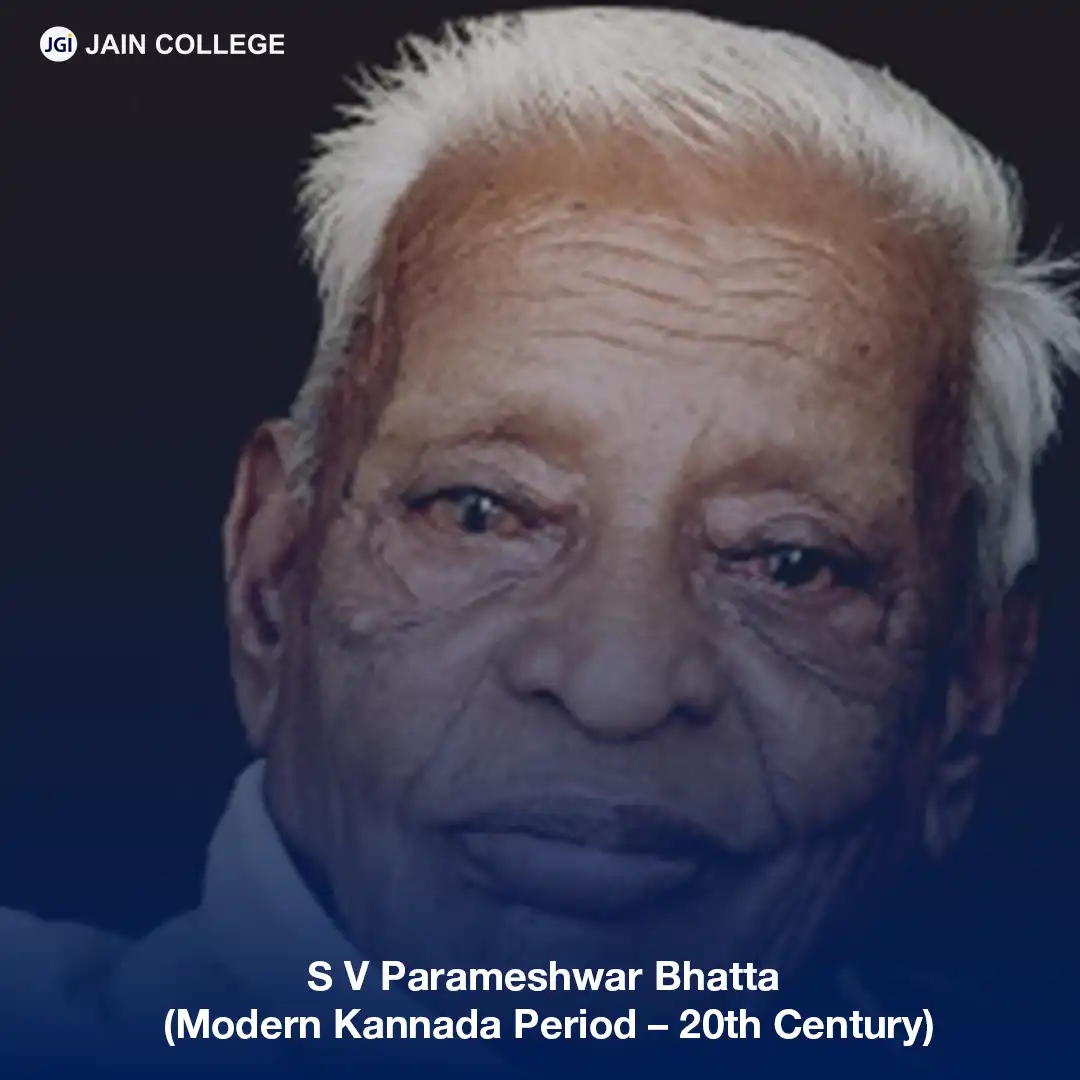
Known for:
Key works:
Legacy:
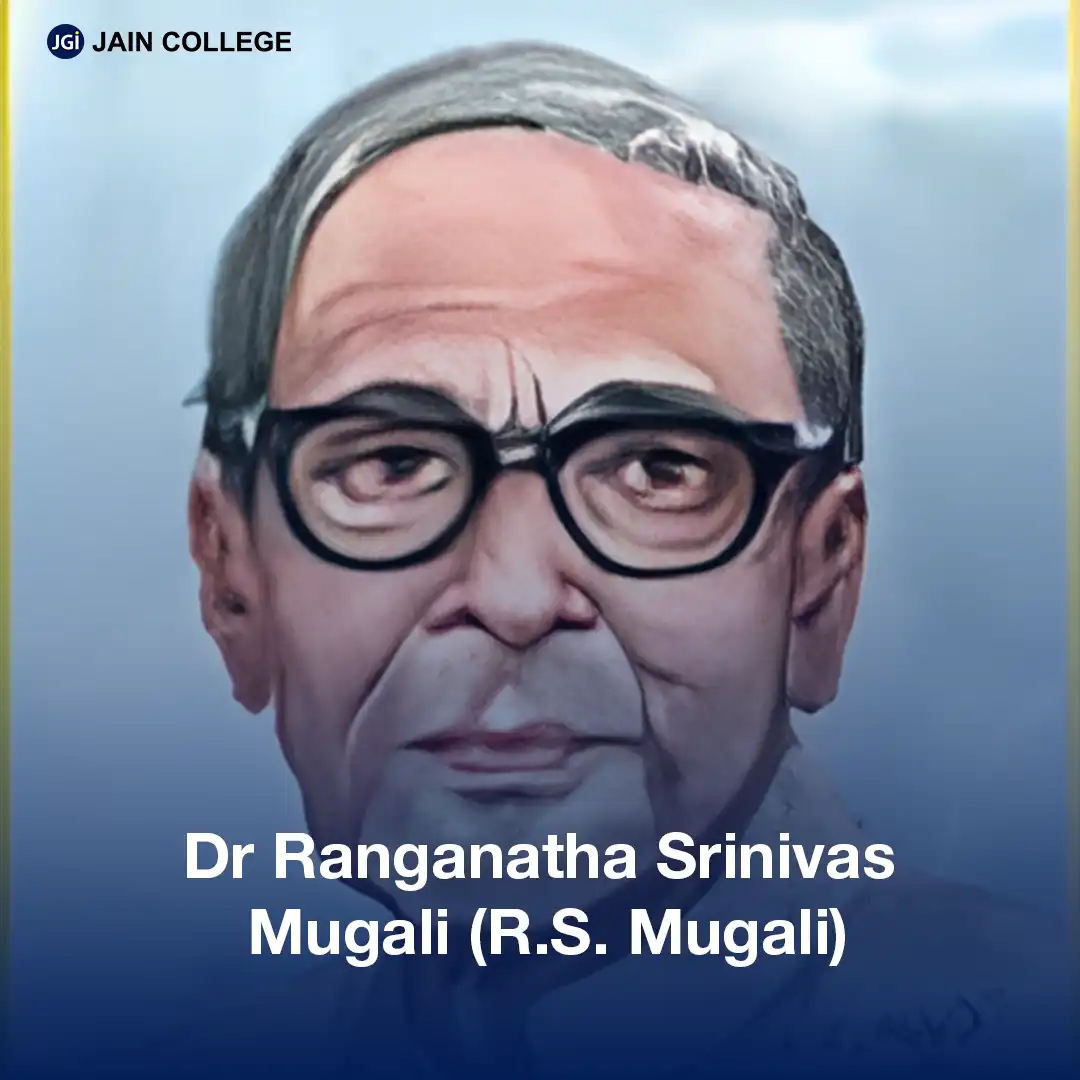
Known for:
Key works:
Legacy:
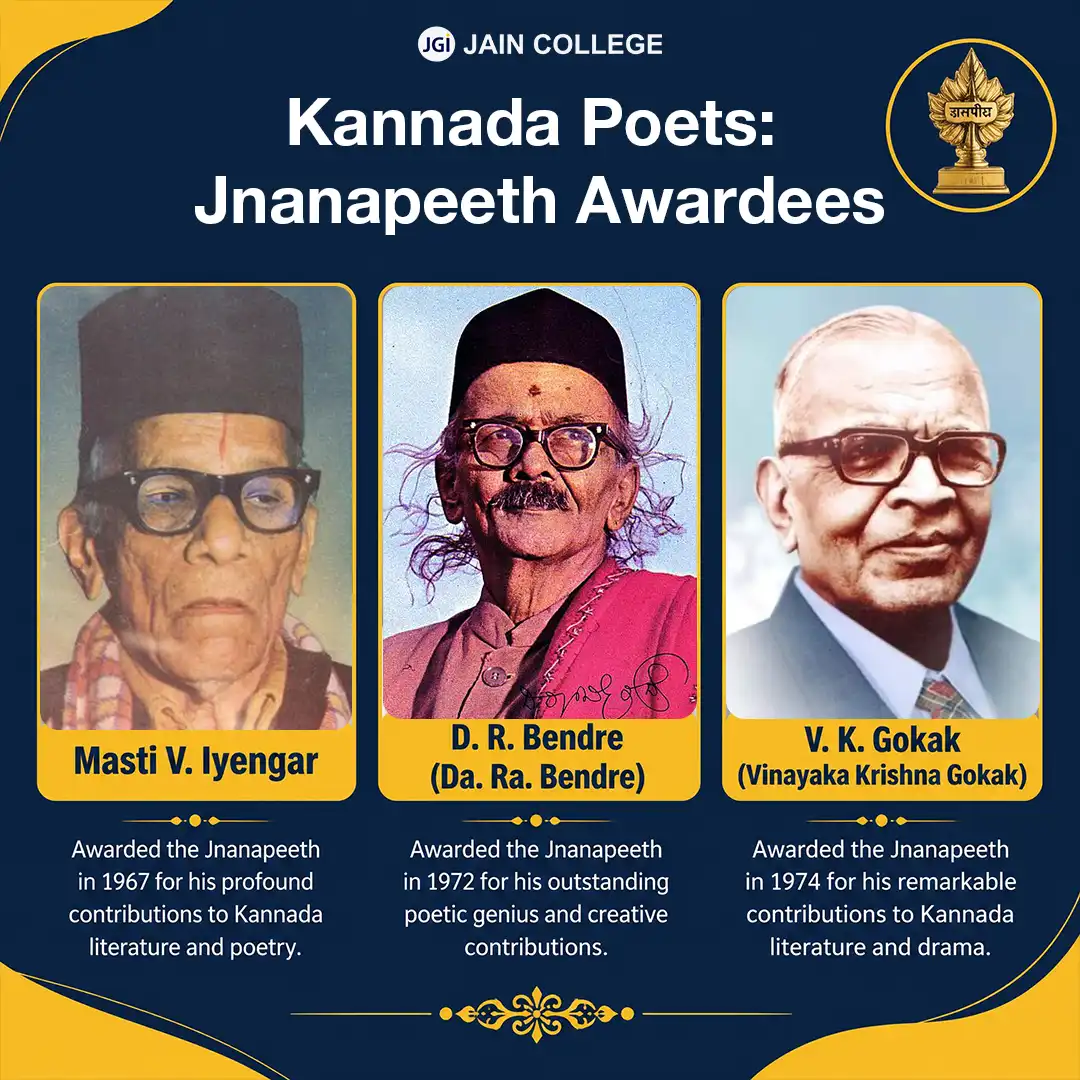
Modern Kannada fiction developed through writers such as Masti Venkatesha Iyengar, Kuvempu, K. Shivaram Karanth, and others.
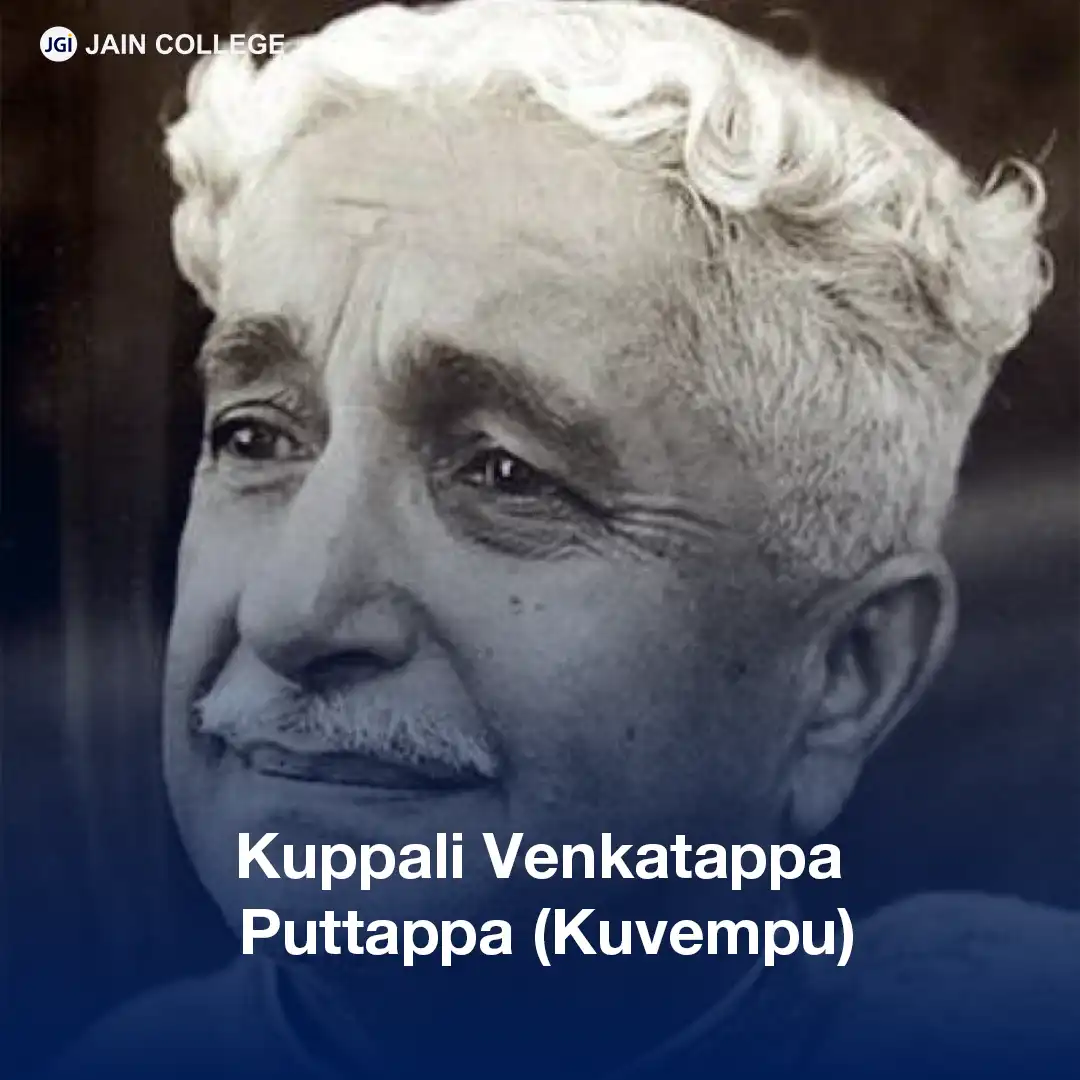
Known for:
Key works:
Legacy:
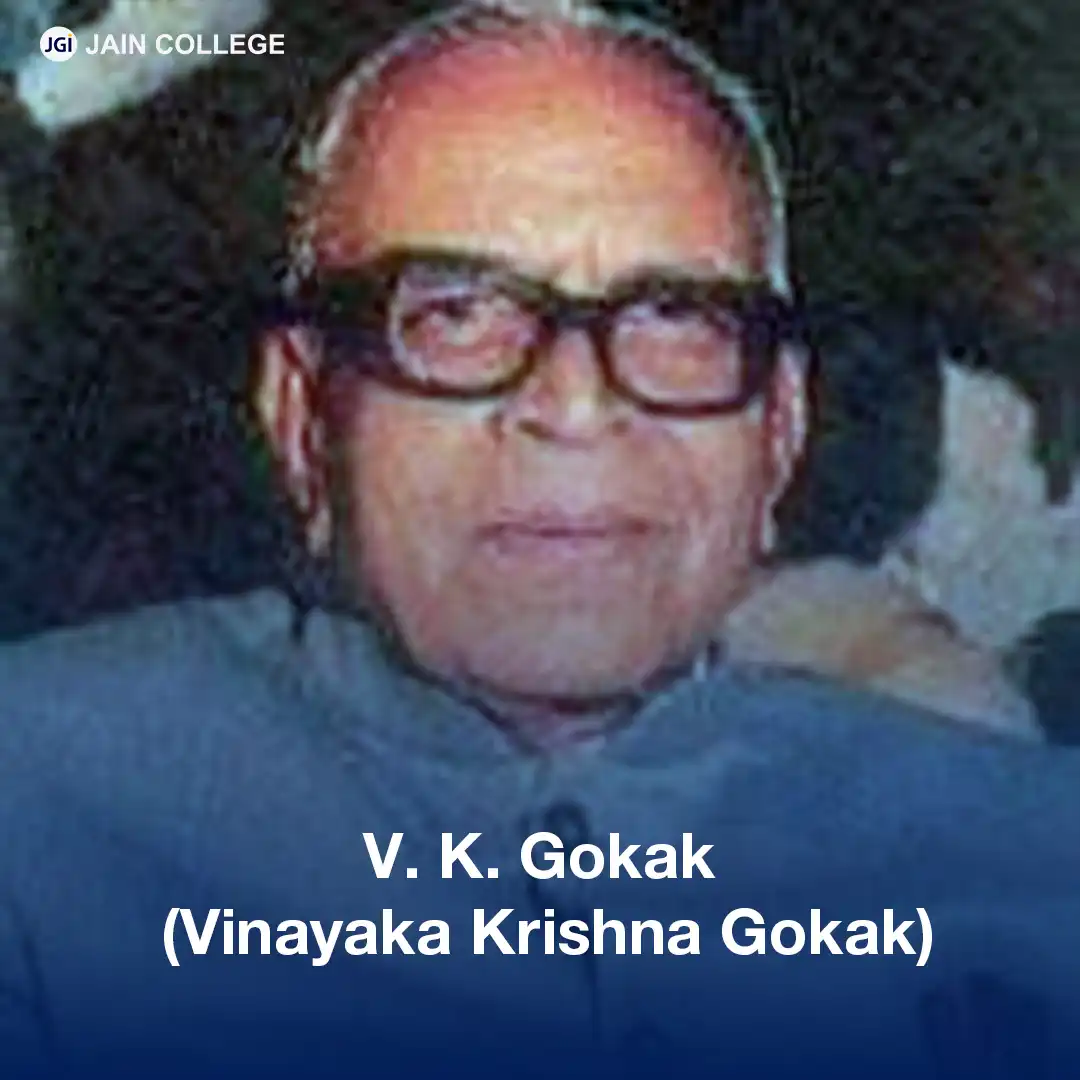
Visionary Kannada Poet V. K. Gokak was one of the most influential literary figures in modern Kannada literature. Known for blending realism with philosophical imagination, Visionary Kannada Poet V. K. Gokak experimented with new poetic styles, themes, and literary forms. Inspired by the natural beauty of Malenadu and mystical traditions in both Kannada and English literature, he created poetry that reflected spirituality, nationalism, and human emotions.
Known for:
Key works:
Some of the great contributions to Kannada poetry include the following:
Legacy:
Known for:
Key works:
Legacy:
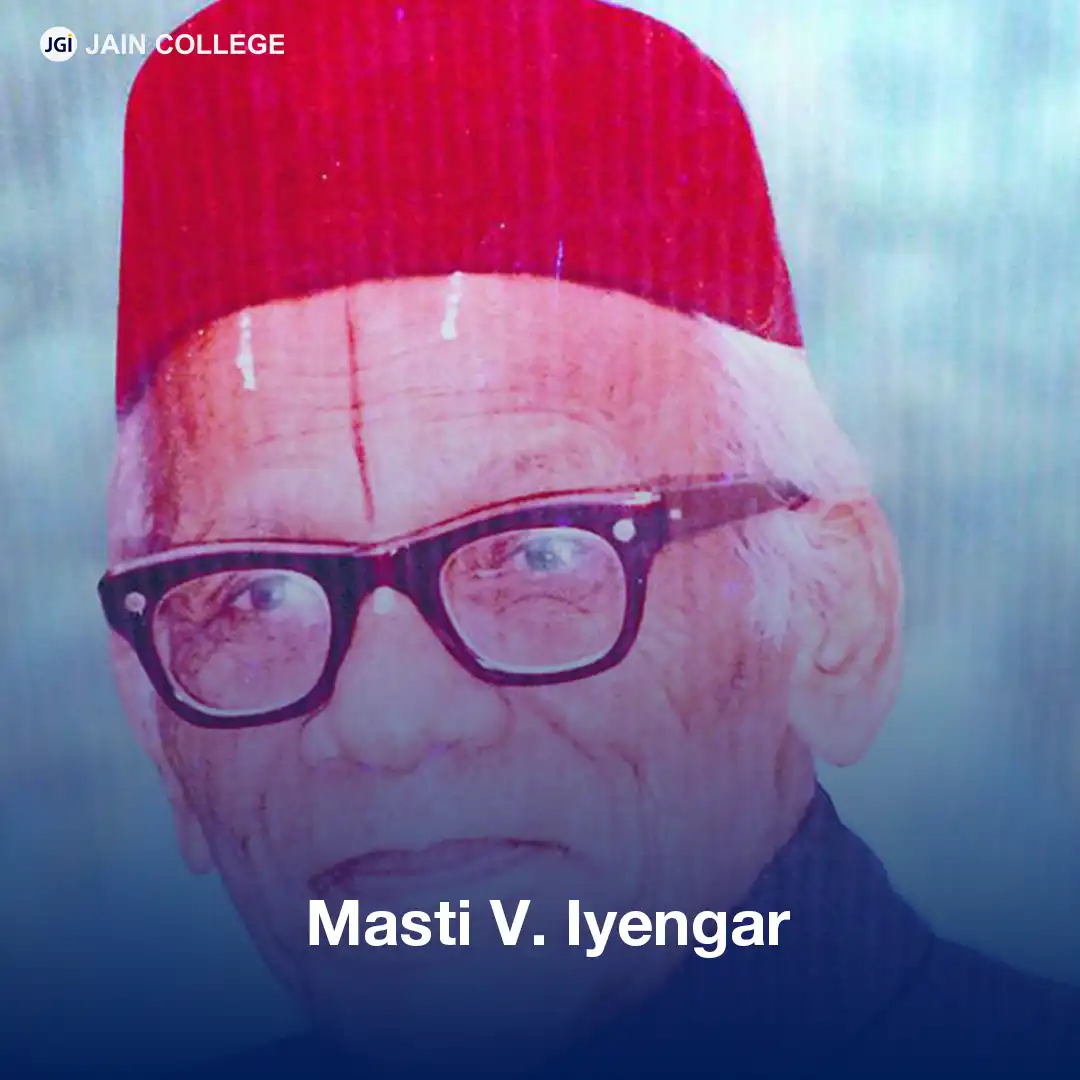
Modern Kannada Poet Masti V. Iyengar remains one of the foundational figures in modern Kannada literature. Revered as “Anna Masti,” this legendary Kannada Poet standardised modern Kannada prose and elevated realistic storytelling in Kannada literature. His writings focused on human relationships, society, morality, and emotional depth.
Known for:
Key works:
Legacy:
Contemporary Kannada Poet Chandrashekhara Kambara is one of the most celebrated literary personalities in modern Kannada literature. This renowned Kannada Poet is known for blending folklore, rural culture, theatre, and poetry into his literary works.
Among contemporary Kannada Poets, Contemporary Kannada Poet Chandrashekhara Kambara stands out for preserving Karnataka’s folk traditions through modern literary expression. His contribution earned him the prestigious Jnanapeeth Award.
Modern Kannada Poet K. S. Nissar Ahmed remains one of the most loved literary voices in Kannada literature. This influential Kannada Poet became famous for writing poetry rooted in Karnataka’s culture, identity, and social harmony.
Among modern Kannada Poets, Modern Kannada Poet K. S. Nissar Ahmed played an important role in promoting Kannada pride and cultural unity through poetry.
Famous Kannada Woman Poet Vaidehi is one of the most respected female literary voices in Kannada literature. Known for sensitive storytelling and poetic realism, this talented Kannada Poet explored themes related to women, society, emotions, and cultural identity.
Among women Kannada Poets, Famous Kannada Woman Poet Vaidehi remains influential for bringing female perspectives and emotional depth into Kannada literature.
Modern Kannada Poet H. S. Venkatesha Murthy is widely respected for his contribution to Kannada poetry, literature, and education. This celebrated Kannada Poet is admired for lyrical expression, philosophical thought, and meaningful literary works.
Among modern Kannada Poets, Modern Kannada Poet H. S. Venkatesha Murthy continues to inspire literature lovers through his poetic simplicity and intellectual depth.
Kannada has received eight Jnanapeeth Awards, not limited to poetry, one of the highest numbers among Indian languages.
Kannada poets also received the Jnanapeeth Award, the Karnataka Sahitya Akademi Award, the Padma Awards, and the Karnataka State Rajyotsava Award for their significant contributions to Kannada poetry.
Here is the complete list of Awards won by Kannada poets :
| Award | Year | Poet | Honoured for |
| Padma Shri | 1968 | D. R. Bendre (Da.Ra. Bendre) | Contribution to Kannada poetry |
| Padma Shri | 1991 | V. K. Gokak (Vinayaka Krishna Gokak) | Contribution to Kannada poetry |
| Padma Shri | 2006 | Chandrashekhara Kambara | Contribution to Kannada poetry |
| Padma Bhushan | 1958 | Kuppali Venkatappa Puttappa (Kuvempu) | Contribution to Kannada poetry |
| Padma Vibhushan | 1988 | Kuppali Venkatappa Puttappa (Kuvempu) | Outstanding contribution to modern Kannada poetry and literature |
| Karnataka Ratna | 1992 | Kuppali Venkatappa Puttappa (Kuvempu) | Posthumous recognition for his epic work: Sri Ramayana Darshanam |
| Sahitya Akademi Award | 1958 | Gopalakrishna Adiga | Poem: Nadedu Banda Daari |
| Sahitya Akademi Award | 1958 | D. R. Bendre (Da.Ra.Bendre) | Poem: Aralu-Maralu |
| Sahitya Akademi Award | 1960 | V. K. Gokak (Vinayaka Krishna Gokak) | Poem: Dyava-Prithivi |
| Karnataka Sahitya Akademi Award | 1967 | Gopalakrishna Adiga | Contribution to modern Kannada poetry |
| Karnataka Sahitya Akademi Award | 1996 | Jayant Kaikini | Poem: Shabdagalu |
| Rajyotsava Award | 2001 | K. S. Nissar Ahmed | Contribution to modern Kannada poetry |
| Rajyotsava Award | 2014 | Jayant Kaikini | Contribution to modern Kannada poetry |
| Rajyotsava Award | 2016 | Vaidehi (Janaki Srinivasa Murthy) | Contribution to modern Kannada poetry |
| Rajyotsava Award | 2025 | H. S. Venkatesha Murthy | Contribution to modern Kannada poetry |
| Jnanapeeth Award | 1967 | Kuppali Venkatappa Puttappa (Kuvempu) | Epic Poem: Sri Ramayana Darshanam |
| Jnanapeeth Award | 1973 | D. R. Bendre (Da.Ra.Bendre) | Acclaimed collection of poems titled Naaku Tanti |
| Jnanapeeth Award | 1977 | K.Shivaram Karanth | Kannada novel: Mookajjiya Kanasugalu |
| Jnanapeeth Award | 1983 | Masti V. Iyengar | Historical novel: Chikkavira Rajendra |
| Jnanapeeth Award | 1990 | V. K. Gokak(Vinayaka Krishna Gokak) | Epic poem: Bharatha Sindhu Rashmi |
| Jnanapeeth Award | 2010 | Chandrasekhar Kambar | Contribution to Kannada Poetry & Drama |
Other than these prestigious awards, there are many other Kannada poets who also received the Filmfare Award and other Nadoja awards, the prestigious annual honorary degree.
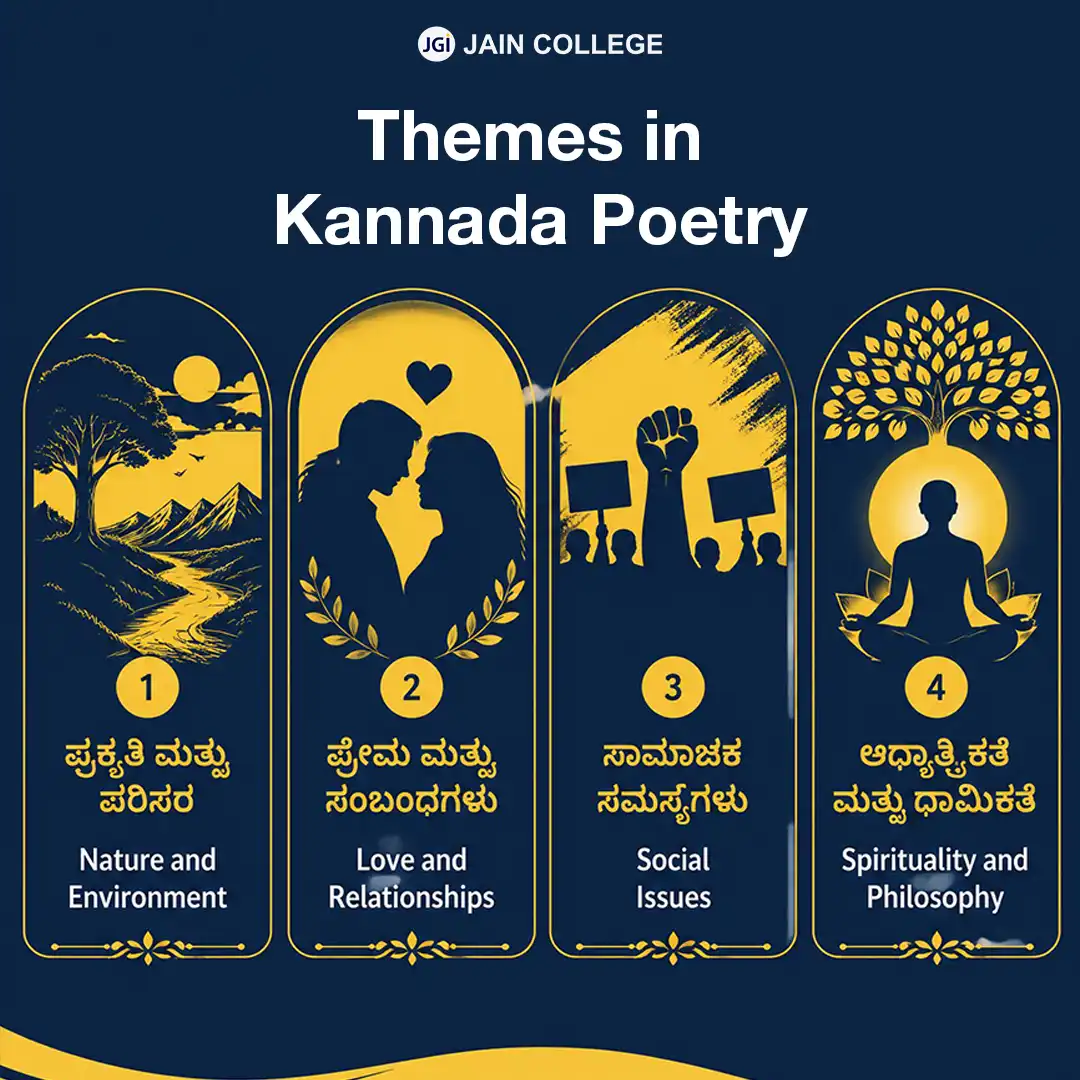
From classical court poetry to modern social expression, there are several recurring themes that have shaped Kannada poetic literature. Listed below are some of the key concepts in Kannada poetry.
Nature and environment are recurring motifs in Kannada poetry, often reflecting the beauty, challenges, and poetic emotional connections with their surroundings. This theme celebrates the rich biodiversity and landscapes of Karnataka while also addressing ecological concerns.
Love and relationships are central concepts in Kannada poetry, encompassing romantic love, familial bonds, and friendships. These poems evoke deep emotions, exploring the complexities of human connections and the experiences of longing and joy.
Social issues such as caste discrimination, poverty, and gender equality are prevalent in Kannada poetry. Poets use their verses to critique societal norms and advocate for social justice, often reflecting the struggles of marginalised communities.
Spirituality and philosophy are deeply rooted in Kannada poetry, with poets often exploring existential questions, spiritual experiences, and philosophical concepts. These themes connect readers with more profound meanings and encourage introspection.
Kannada literary traditions are believed to date back to around the 5th century CE, though surviving written works appear from later centuries.
The first well-known Kannada poet was Adikavi Pampa, who wrote in an archaic style of Kannada called Halegannada (literally "Old Kannada"). His Vikramarjuna Vijaya is hailed as a classic even to this day. With this poem and his other important work, Adi Purana, he set a trend of poetic excellence for the Kannada poets of the future.
Kannada poetic compositions, called 'vachanas', reflected the beginnings of a social revolution that prompted a radical reevaluation of the concepts of caste, creed, and religion.
Here is a timeline that explains the historical milestones in Kannada poetry from ancient to modern times.
| 8th Century | The first known Kannada poetry dates back to the 8th-9th century with the contributions from the "Kavirajamarga", the earliest available work on a Kannada treatise on poetics. |
| 12th Century | The emergence of the Vachana movement, featuring poets like Basavanna, who emphasised social reform through poetry |
| 20th Century | The period of modernism in Kannada poetry, marked by poets such as Kuvempu and D.R. Bendre. They have introduced new themes and styles. |
| 21st Century | Contemporary poets continue to evolve the art form, reflecting modern themes and societal issues in their work. |
| Period Time | Key Poets |
| Early Kannada – 9th–12th century | Pampa, Ponna, Ranna |
| Vachana Movement – 12th Century | Basavanna, Akka Mahadevi |
| Haridasa period – 14th–16th Century | Purandara Dasa, Kanaka Dasa |
| Late Medieval – 16th–19th Century | Sarvajna |
| Modern – 19th–20th Century | Kuvempu, Bendre |
| Contemporary – 20th–21st Century | Kambara, Siddalingaiah |
Kannada poets have made significant contributions to the world of literature.
Through their poems in both English and regional languages, these literary figures have influenced generations of readers and played an important role in shaping cultural and social thought.
Many of their works have promoted social reform, human values, and artistic expression.
From the early poets like Pampa, Ranna, and Ponna to the Vachana movement poets, including Basavanna, Akka Mahadevi, and Allama Prabhu; to the later periods, poets such as Kumaravyasa and Kanaka Dasa; and to the modern era, literary giants like Kuvempu, D. R. Bendre, Gopalakrishna Adiga, and K. S. Narasimhaswamy.
Collectively, these poets have shaped Kannada literature into a dynamic cultural treasure. Their contributions continue to influence education, arts, and social thinking, ensuring that Kannada poetry remains relevant across generations. The legacy of Kannada poets stands as a testament to the enduring power of language and literature in reflecting society and inspiring progress.
Visit our website at JAIN PU College blogs to explore the beauty and depth of Kannada poetry through the works of the greatest Kannada poets, authors, and Kannada Jnanapeetha winners.
Which era of Kannada literature (classical, medieval, or modern) do you enjoy the most?
Share your thoughts in the comments below.
Purandara Dasa is known as a "Dasa poet".
Purandara Dasa is known as the "Pitamaha" of Carnatic music.
Akka Mahadevi was one of the earliest women poets in Kannada.
Nagavarma - I was known as an early Kannada grammarian and poet.
The "Three Gems" of Kannada Literature are Pampa, Ponna and Ranna.
The Karnataka state anthem "Jaya Bharata Jananiya Tanujate" was composed by Rashtrakavi Kuvempu.
Basavanna was a 12th-century Kannada poet who was a philosopher, a vachana poet, and a social reformer.
Carnatic music is the main musical tradition of South India, the counterpart to Hindustani classical music of North India.
Sarvajña was a Kannada poet, philosopher, and pragmatist in the 16th century. He was renowned for his three-lined moral poems (Tripadi).
Adikavi Pampa is widely regarded as one of the earliest major Kannada poets and a foundational figure in classical Kannada literature.
Vachanas are short, powerful poetic compositions that reflect social, religious, and economic realities—often linked to reformist thought in Kannada literature.
Haridasa literature is devotional poetry composed by “servants of God", widely sung as padas and devotional songs and influential in Karnataka’s cultural tradition.
Basavanna, Akka Mahadevi, and Allama Prabhu are among the most well-known Vachana poets mentioned in Kannada literary history.
Kuvempu and D. R. Bendre are among the best-known modern Kannada poets, along with other influential writers listed in the modern period.
Rashtrakavi Kuvempu composed “Jaya Bharata Jananiya Tanujate,” the Karnataka state anthem.
Tripadi is a three-line verse form, and Sarvajna is widely known for popularising moral Tripadi poems.
Kannada poetry developed through classical epics, vachana reform poetry, Haridasa devotional compositions, and modern movements that introduced new themes and styles.
Kannada poets have shaped cultural identity and social thought through epics, devotional works, reform literature, and modern writing that reflects changing society.
Kannada poets have received honours such as the Jnanapeeth Award, Sahitya Akademi Award, Padma awards, and Karnataka state recognitions (as listed in the blog).
The blog highlights Early Kannada (classical), Vachana, Haridasa, Late Medieval traditions, and Modern/Contemporary periods as key phases.
A simple way is to start period-wise: classical poets (Pampa), vachana poets (Akka Mahadevi/Basavanna), Haridasa poets (Purandara Dasa/Kanaka Dasa), and modern poets (Kuvempu/Bendre).

JAIN PU College, a part of the renowned JGI Group, is committed to empowering students with quality education.
Beyond academics, the college ensures its online content reflects the same standard of excellence. Every blog and article is meticulously vetted and proofread by subject matter experts to ensure accuracy, relevance, and clarity. From insightful educational topics to engaging discussions, JAIN PU College's content is crafted to inform, inspire, and add value to its readers, reflecting the institution's commitment to intellectual growth and innovation.
View all Blogs