








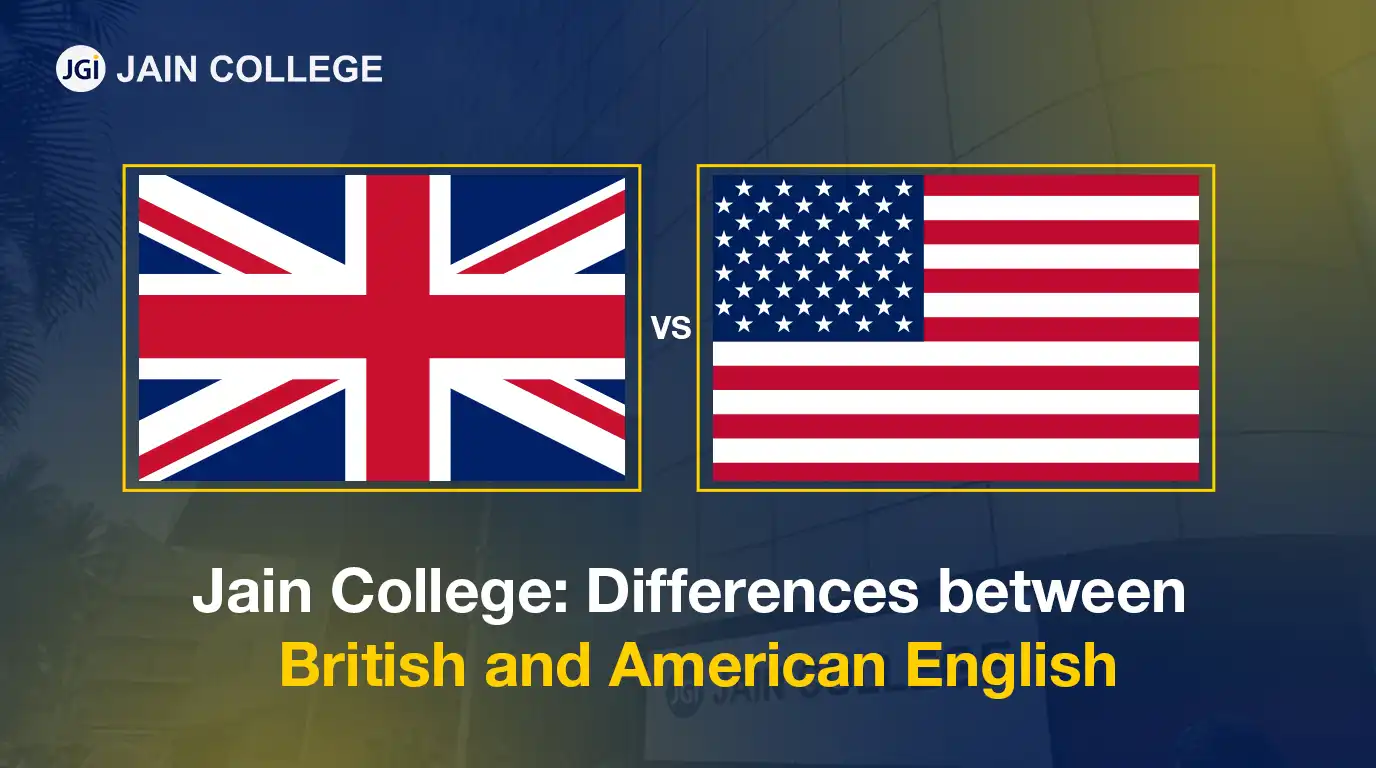
English is a global language, but depending on where you are in the world, it can sound and look quite different. Have you ever been puzzled by someone calling it a "lorry" instead of a "truck" or wondering why Americans say "apartment" when Brits say "flat"? While British and American English share the same foundation, the variations can be vast, ranging from pronunciation to spelling to even punctuation.
This blog dives into the key differences between these two versions of English, helping you understand and navigate the nuances of each.
One of the most striking differences between British and American English is how they sound.
In British English, the letter 'r' is often silent when it follows a vowel in the same syllable (think "car" or "hard"). On the other hand, Americans pronounce the 'r' clearly in words like "car" or "hard."
There’s also a difference in vowel sounds. For example, in American English, "bath" and "dance" are said with a short 'a', while in British English, these words typically feature a broader 'a.'
Vocabulary can often trip up speakers, as the same objects or actions may have different names.
| American English | British English |
| elevator | lift |
| garbage | rubbish |
| vacation | holiday |
| truck | lorry |
| sweater | jumper |
| cookie | biscuit |
| french fries | chips |
| line | queue |
| parking lot | car park |
| silverware | cutlery |
These differences aren’t just quirks of language—they often reflect cultural and historical influences on both sides of the pond.
When it comes to spelling, British and American English follow different conventions. Let’s look at some of the key variations:
Words that end in -our in British English tend to drop the 'u' in American English (e.g., "colour" becomes "color").
In British English, you'll find -re at the end of words (e.g., "centre"), while American English opts for -er (e.g., "center").
In British English, verbs ending in -ise are often spelled with -ize in American English (e.g., "organise" vs. "organize").
While British and American English follow the same grammatical principles, there are a few notable differences:
In British English, the present perfect tense is frequently used to describe actions that are relevant to the present (e.g., "I have just eaten"), while Americans might use the simple past (e.g., "I just ate").
British English allows collective nouns to take both singular and plural verbs (e.g., "The team are winning"), while American English tends to use the singular form (e.g., "The team is winning").
The past participle of "get" is "got" in British English, but in American English, it’s often "gotten."
The way punctuation is used also varies between the two versions of English:
In British English, single quotation marks are often used for dialogue ('like this'), whereas American English prefers double quotation marks ("like this").
When it comes to commas and periods, British English places them outside quotation marks unless they’re part of the quoted material. American English, however, places them inside the quotation marks.
A small yet significant difference lies in how dates are written:
Understanding the differences between British and American English isn’t just about picking one version over the other—it’s about embracing the richness and variety of the language. These variations, from pronunciation and vocabulary to grammar and punctuation, show how adaptable and diverse English can be across different cultures. Whether you're writing, speaking, or just enjoying a conversation, knowing these distinctions allows for clearer communication and a deeper understanding of the English-speaking world.
So, the next time you travel, write, or converse with someone across the Atlantic, you’ll not only be able to understand them better—you’ll also be able to appreciate the subtle beauty of the English language in all its forms.

JAIN PU College, a part of the renowned JGI Group, is committed to empowering students with quality education.
Beyond academics, the college ensures its online content reflects the same standard of excellence. Every blog and article is meticulously vetted and proofread by subject matter experts to ensure accuracy, relevance, and clarity. From insightful educational topics to engaging discussions, JAIN PU College's content is crafted to inform, inspire, and add value to its readers, reflecting the institution's commitment to intellectual growth and innovation.
View all Blogs